
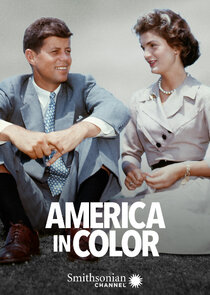
America in Color presents many iconic moments in U.S. history as never before seen - using artistry and cutting-edge technology to transform black-and-white films and photographs from the 1920s to the 1960s. Decade by decade, the story of America, its people and its culture are given new life and shown in vibrant color for the first time.From the 1920s through the 1960s, America transformed from a young country on the rise into a global superpower. It's a decisive period in our nation's history that most of us have only witnessed in black and white, until now. Using digital colorization technology, we present these formative decades as few have seen them, revisiting 50 vibrant years of good times and great despair, technological triumphs, and natural disasters, and global villains and national heroes.

America undergoes it's greatest period of change and unprecedented growth; the 1920 Wall Street bombing in New York; the Greenwood massacre in Oklahoma. Watch the Model T roll, the Jazz Age erupt, and the stock market crash, like it has never been seen before--in color.
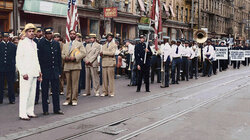
The Great Depression dominates the decade; Franklin Roosevelt's Presidency; the White House fire of 1930; home movies filmed by Lou Hoover. Witness the most significant moments of the 1930s, in color, through rarely seen archival footage and home movies.

See rare color footage of Pearl Harbor, internment camps, the Manhattan Project, America as the leader of the free world, a new era of consumerism, the birth of suburbia, and other seminal moments of the 1940s.
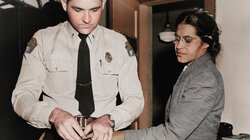
Witness the highs and lows of 1950s America, from consumerism to McCarthyism and beyond, in color. Included: racial unrest dividing the nation; Russia having a nuclear bomb; the Cold War; the brutal murder of 14-year-old black Chicagoan Emmett Till.
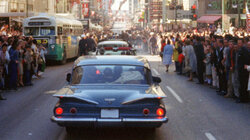
The 1960s: Revisit America during the turbulent 1960s, as we bring the dawn of modern America to colorful life. See rare archival films, iconic news footage, and home movies from a decade of revolution. Included: the first televised Presidential debate, the Cuban Missile Crisis, the Vietnam War, the Civil Rights Movement, and the first man on the Moon.

At the dawn of the 20th century, America west of the Mississippi was wild and untamed, featuring formidable landscapes and treacherous rivers. But in the following decades, industry and opportunity transformed the region into an economic and political powerhouse that drove change across the country and the world. Presented for the first time in color, revisit lands made famous by Buffalo Bill, championed by Teddy Roosevelt, and developed by opportunists seeking adventure and fortune.
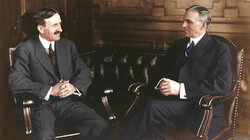
America is still a rural nation in 1910. Most homes don't have electricity, and less than one percent of the population owns a car. But that changes with the rise of Henry Ford, Harvey Firestone, and Thomas Edison, who help foster the economic and technological booms of the early 20th century. Through colorized archival footage and personal home movies, explore the business relationships that transformed America and glimpse into powerful friendships that lasted a lifetime.

For many immigrants, their first sight of the U.S. is the Statue of Liberty. The iconic structure promises sanctuary, hope, and a fresh start, but they soon learn that America's arms are not always open. Colorized rare home movies and archival footage reveal the amazing stories of ordinary people who share the same dream. From Caribbean immigrants who settled in Harlem to Italian "radicals" shipped back home to celebrities such as Albert Einstein, see how America changed as immigrants brought new cultures from the margins to the mainstream.
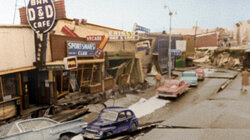
The Hindenburg crash, the San Francisco earthquake, the Galveston hurricane, and the tri-state tornado are just a handful of disasters that slammed America during the first half of the 20th century. After each calamity struck, scientists and engineers raced to analyze the damage and collect data to better protect the public from future catastrophes. Witness these historic disasters in vivid color, and see how they shaped the nation and fostered a better understanding of the world's geology.
Complete episode guide for America in Color with detailed information about every season and episode including air dates, summaries, ratings, and streaming availability in United States.
This episode guide is organized by seasons, making it easy to track your viewing progress or find specific episodes. Use the episode information to plan your binge-watching sessions or catch up on missed episodes.

It's the 1920s. America is on the rise, and so is a dark underworld run by a new kind of criminal, one that is organized, sophisticated, and ruthless. For the next 40 years, legendary gangsters like Al Capone, Lucky Luciano, and Frank Costello build vast empires thanks to bootlegging, illegal gambling, and shady alliances with politicians. From the Black Sox Scandal to the St. Valentine's Day Massacre, follow the violent rise and fall of organized crime, presented in color for the first time through remastered archival footage and never-before-broadcast home movies.

At the start of the 20th century, Americans find themselves with more time and money on their hands. Coney Island launches the country's first amusement parks and proves that big profits can be earned from fun and entertainment. Visit Disneyland, the Kentucky Derby, and Notre Dame football, in their infancy. By 1953, Americans are spending $18 billion a year on leisure activities like camping, bowling, and attending sports events. This is the story of America at play, presented through digitally remastered and colorized archival footage and rarely seen home movies.

American royalty: a potent combination of popularity, glamour, money, and power. In the early 20th century, the Rockefellers and Vanderbilts build empires and spend fortunes. The Roosevelts and Kennedys spawn political dynasties. And news magnate William Randolph Hearst records it all, using film to cash in on the glitzy lives of the rich and famous. Now, through rare archival footage and home movies, get a colorful inside look at these storied families working hard and playing hard.

The movie industry was born in West Orange, NJ in 1893 by Thomas Edison. Within thirty years, Hollywood grew into America's fourth largest, and by far the most glamorous, industry. Revisit the Golden Age of Hollywood, when actors became global celebrities, moguls became millionaires, and the entire nation became movie crazy. Using digitally remastered news footage, rare studio archives, and home movie footage, look back on the dawn and meteoric rise of Tinseltown in color.

At the dawn of the 20th century, most Americans think of Alaska as an icy unpopulated wilderness, but one event will change everything: the Klondike Gold Rush of 1896. Through remastered and colorized news footage and home movies, witness Alaska's evolution from a frozen wasteland at the edge of the world to the 49th state to join the Union in 1959. From boomtowns to volcanic blasts to Japanese invasions, this is the story of America's last frontier as you have never seen it before.
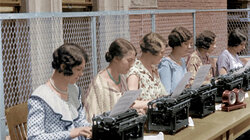
At the turn of the 20th century, 29 million Americans are working and 40% of them are farmers. Over the decades, factories expand like never before, two world wars speed up technological change, and by the 1950s, American workers have the highest wages and consumer power of any country in the world. This is the story of the men and women who built the American Dream, presented entirely in color through digitally remastered archival footage and home movies.

From Bonnie and Clyde to George "Machine Gun" Kelly and from the Lindbergh kidnapping to the Brink's robbery, the early 20th century in America was marked by celebrity outlaws, courtroom dramas, and shocking murders and misdeeds that captivated the nation. This is the story of America's fascination with crime, told in color. Using rare home movies, newsreel coverage, police footage, and FBI films, look back at the country's most high-profile criminals and cases.

At the turn of the 20th century, two-thirds of Americans live in small towns, but by the 1960s, only a third remain. Some are lured to cities by the promise of opportunity and money, while others move there to escape racism and intolerance. Through it all, the myth of these quaint, harmonious communities continues to burn powerfully in the minds of many. This is the story of small town America, from soap box derbies and Will Rogers' charm to postwar poverty and the Great Migration, presented in color.