
Australia's leading international affairs program featuring fascinating, in-depth stories from the ABC's unrivalled network of foreign correspondents.
Mark Willacy travels to radiation-poisoned Fukushima to uncover startling new evidence about the dangers that still lurk there and the near insurmountable task of cleaning it up.
The anatomy of a military scandal. Why did US forces attack a Medecins Sans Frontieres hospital in Afghanistan, killing 42 people? An Aussie doctor is among the survivors who tell their chilling stories.
Quit Europe or stay? It's the English who hold the whip in hand in the coming UK vote - and many want out. So what's up with the Poms? Lisa Millar explores the essence of "Englishness".
A puff of rumour grew into a tempest of accusations and led to the jailing of seven people for alleged child abuse at an elite international school in Jakarta. Was justice served or was it a case of moral panic?
As supporters battle to free seven people jailed in a child abuse scandal at an elite Indonesian school, Foreign Correspondent digs into the evidence - and turns up some surprises.
It's the question posed after Orlando and every other massacre: Will America ever regulate guns? Lisa Millar revisits a mother who lost her little boy to a mass shooter and who - remarkably - sees positive signs of change.
How do you free troubled kids from the violence and poverty of South Africa's broken townships? For starters, you teach them surfing. Sally Sara reports on the idea that's inspiring youngsters to unleash their best.
Thousands of travellers, many of them young Australians, are flocking to the Amazon to chase the highs of the ayahuasca plant. Tragically, some never return. Hamish Macdonald investigates. #ForeignCorrespondent (Return)
India's building boom has spawned a "sand mafia" that is plundering the environment and even killing those who get in its way. But as Samantha Hawley reports, some people refuse to be intimidated.
China is executing a masterplan to dominate world football, pumping billions of dollars into buying foreign players, coaches & entire European clubs & grooming new generations of its own young stars.
It's famed as the city of peace and love, but San Francisco is digging in for a fight over President Trump's order to expel millions of undocumented migrants. Stephanie March reports.
Foreign Correspondent tells the true story behind the legendary movie The Great Escape - and the overlooked role of Australians in breaking out of the "escape proof" German POW camp
Foreign Correspondent takes a spectacular journey into the wilds of Mongolia in search of an ancient, imperilled tradition - the Kazakh golden eagle hunters.
Australia is a tough place to buy a home. But we're not alone. So what are other countries doing to tackle high cost housing - and what bright ideas can we pinch from them? Hamish Macdonald hosts this special report.
In this special tribute episode to Mark Colvin Foreign Correspondent reports on his legacy as a foreign correspondent, as well as a virtual correspondent, harnessing Twitter as a portal to dive into big, breaking stories.
For the first time, British investigators tell the inside story of the bizarre murder of former Russian spy Alexander Litvinenko. In a tale that's stranger than fiction, a teapot is the murder weapon. (Part 1 of 2)
British investigators continue to tell the inside story of the bizarre murder of former Russian spy Alexander Litvinenko. In a tale that's stranger than fiction, a teapot is the murder weapon.
Labour is praying for one of history's great comebacks in Britain's election. But something once unthinkable may be happening in Wales. Are the tough, working class Welsh flirting with the Tories? Philip Williams reports.
A Foreign Correspondent exclusive: Unprecedented access inside Bali's notorious Kerobokan jail.
A new space race is on, as tech companies rush to launch thousands of tiny satellites that will tell us more about what's happening on our planet than ever before. But will the information be used for good, or for harm?
ABC NEWS & The New York Times collaborate on a special in which New York Times National Correspondent John Eligon examines the state of race relations in Australia through the fresh eyes of a journalist from Missouri.
Tiny Estonia is digging in against potential attacks from its giant neighbour Russia. And it's employing defences far more creative than guns and boots on the ground. Eric Campbell reports.
Matt Brown reports from Kenya on a radical cash experiment that challenges our deep-rooted notions of charity and may hold the seeds of a revolution in social welfare.
Thousands of people have been caught up in a brutal new ISIS battleground on Australia's doorstep. One of them was ABC correspondent Adam Harvey, who took a bullet to the neck. This is his story, and theirs. (Season Final)
Climate change meets nuclear legacy as Mark Willacy examines the aftermath of the US nuclear tests in the Pacific in the 1940s and 50s.
Vladimir Putin crushes opponents, but a growing army of young Russians is fighting back. Their gift to the strongman on his 65th birthday? A show of defiance and a demand to quit. Eric Campbell reports.
He fled Saddam Hussein's brutality to become detainee #982 in an Australian refugee camp. Now Munjed al-Muderis is a world-leading surgeon giving amputees a second chance at life. Sophie McNeill tells his inspiring story.
While Australia says 'yes', the country with more gay people than most says an implacable 'no'. But in China, a determined group of young men and women just won't take no for an answer, as Matthew Carney reports.
The old is new. Ditching conventional careers, a generation of hip young Italians is rediscovering the grand tradition of "Made in Italy". Hamish Macdonald takes an exhilarating road trip to meet them.
A year into Donald Trump's presidency resurgent white supremacists are preaching hate. Now left-wing activists are hitting back with their own shock tactics. Stephanie March goes inside a controversial radical group.
A cruel trade is tearing baby orangutans from their jungle homes to be sold abroad. Samantha Hawley gets a smuggler's story - and meets the warriors risking their lives to save the great apes from extinction.
Is the world going mad when Greenlanders fight drought & brush fires & catch warm water fish? A decade after seeing a farming boom in Greenland, Eric Campbell returns to see how locals face climate change.
This is the inside story of 104-year-old activist David Goodall's last days in Europe as he farewells family and campaigns for the right to die, up to his final hour.
Australia is detaining, cuffing and deporting more New Zealanders than any other group. Guest reporter Peter FitzSimons finds it's riling Kiwis and straining relations across The Ditch. Is this how we treat an old mate?
A tropical paradise is racked with bankruptcy then smashed by a killer hurricane. In rides a cavalry of digital evangelists selling hi-tech revolution. Will they save the day? Eric Campbell reports.
On the sprawling maizefields outside Johannesburg, the Engelbrecht family knows the full horror of the farm attacks that are so commonplace they no longer rate a headline.Last Mother's Day Jo-an Engelbrecht was expecting his elderly father and mother for lunch. When they failed to appear, he walked up to their house."They were tied. My dad was lying on his back, my mother was lying face down. Their throats were slit, they were tortured," he says. The killers had extracted the keys to their safes and cars."My dad knew it was coming. We all know it's coming. It's just a question of when," says Jo-an.The old couple were duly added to the tally of farm murders that some Afrikaners believe are part of a wider political campaign to drive them off the land. While the numbers – some say 47 last year, others say 84 – are in dispute, there's no argument that the crimes are horrifying.But as Jonathan Holmes reports, they pale beside the nearly 20,000 South Africans, black and white, who were murdered in 2017 alone.In this confronting report, Holmes asks whether the killing of white farmers is just a tragic fact of life, and death, in one of the world's most violent societies - or whether it is indeed politically or racially motivated.The siege mentality of white farmers is magnified by radical politicians like Julius Malema. His Economic Freedom Fighters party sprang from the country's chronic failure to deliver land to landless blacks."We are taking the future into our own hands," he tells a rally of dancing followers in their red berets. Then a chant: "Shoot to kill! Shoot to kill! Pow, pow!" as he pulls an imaginary trigger.Recently Malema wedged the governing ANC into supporting expropriation of land without compensation. So far, the government has not seized any farmland without paying for it.But white farmers say that already the private market for farmland has collapsed. "Why would you buy a farm if tomorrow the government is going to take it?" asks Jo-an Engelbrecht.For now, Engelbrecht is digging in on his farm in the faint hope that President Cyril Ramaphosa can stabilise a country wracked by crime and corruption after a decade of Jacob Zuma's rule. But for his daughter Tessa, her grandparents' murder was the final straw. She wants out – maybe to Australia, if those hints of fast track visas materialise. "I wouldn't think twice if I got the chance," she says.
China sent Australia's recycling industry into a spin when it banned most waste imports. Now it's tackling a home-grown rubbish crisis. Bill Birtles looks at China's own war on waste and asks: is it winning?
There's a new push in Australia to build incinerators to burn our waste. Is this the way to go? Those clever Swedes think so. Foreign Correspondent sends War on Waste's Craig Reucassel to Sweden to investigate.As Australia grapples with growing piles of waste, the idea of burning it is getting some heavyweight backers, the federal energy minister among them.So will incineration work? Can it be clean? Is it cost-effective?And if we invest in this technology at a time when China has stopped taking a lot of our recyclables, will this mean our recyclables end up being burnt?Sweden is held up as a leader in managing waste. And as one of the world's biggest innovators, it's also one of the biggest incinerators.So War on Waste's Craig Reucassel goes to Sweden to see if it holds the solution to Australia's waste crisis.The Swedes only landfill one per cent of their waste and their government goes so far as to claim a phenomenal 99 per cent recycling rate. In many places, their food waste is collected and made into bio-fuel for their Volvos.In the capital Stockholm, each time their kerbside wheelie bins are emptied, a sensor beeps and the household gets billed. So if they put their bins out less, they pay less. "We save money just by sorting our garbage," says resident Sara Jarnhed.But the centrepiece of Sweden's waste management strategy is its chain of 34 vast waste furnaces that turn waste into energy for power and heating.Sweden even makes about $100 million a year from importing waste, burning thousands of tonnes from Britain and other countries who don't know what else to do with it – and pay Sweden to get rid of it.Problem solved? Not so fast. As Australia considers whether to go down the incineration road, Craig Reucassel follows the waste trail in Sweden to discover that we do have plenty to learn from Sweden's experience - but not all of it is good.Presenter - Craig ReucasselProducer - Deborah RichardsCamera - Mathew MarsicEditor - Nikki StevensExecutive Producer - Marianne Leitch
Veteran ABC correspondent Sean Dorney, who is suffering motor neurone disease, makes an emotional return to PNG tonight in Foreign Correspondent.Sean Dorney got thrown out of PNG for his reporting, yet he received one of its top honours. He skippered its footy team and fell for a local girl. Now suffering motor neurone disease, he makes an emotional final visit.For most Australians, Manus Island evokes a grim, now-shuttered detention centre, nothing more. But for veteran ABC correspondent Sean Dorney, it's paradise.It's where he married a chief's daughter, Pauline, after draining his bank account to pay bride price, and where the embrace of a vast extended family awaits…People have said to me that Pauline is like a princess in Manus, whereas you're just a commoner -– Dorney…And it's where Sean and his beloved Pauline are now returning, in what will probably be his last time in PNG, the country that's defined his life.The thing is I've now got motor neurone disease. I may have just two years left - DorneyAs his boat touches shore, a burly tribesman lifts the frail Dorney and carries him to the sand. Tears flow in a tempest of drums and song.Even the smallest children are constantly dancing. I'm no longer up to the more vigorous moves – but even with a walking stick one can but try – Dorney at welcome ceremonySean Dorney first reported on PNG before it won independence from Australia. He ended up a household name, thanks to his reporting of political crises, disasters and daily life struggles.Thanks too to his place in the national rugby league side. His team mates called him "Grasscutter" for his tackling style. It's a sport that unites a country where 860 languages are spoken… though Pauline needed lots of persuasion.I was thinking, do they call this sport? This is not sport. This is a bunch of dogs fighting over chicken bones – Pauline Nare, Sean's wifeOn this farewell journey to PNG, Dorney makes a special report for Foreign Correspondent. He finds nuggets of progress, like more girls getting educated. He unleashes his frustrations in trying to inform Australians about their nearest neighbour, about whom they seem to care little.Frankly I'm appalled at the lack of coverage in Australia – DorneyIt's his journey as a sick man to his and Pauline's Manus clan that showcases PNG's great treasure… the pulsating villages where 80 per cent of its people live. They're poor but they enjoy what Sean calls "subsistence affluence".In Tulu, Sean is initiated as a clan chief, a first for an outsider. Then, before Sean is carried back into the boat, comes Tulu's healing ceremony, unforgettable in its passion and unimaginably removed from the high-tech Australian medicine to which he will return.Few correspondents have etched themselves more deeply into the life of a country they've covered than Sean Dorney.
This week on Foreign Correspondent Eric Campbell goes inside Berlin's Jewish diaspora in his report, "Homeland," and asks why so many Israeli's are settling in Germany.Why choose to live in the place where your people's extermination was conceived, planned and directed?It's the question facing the 13,000 or so Israelis who have started new lives in Berlin - and who, if Hitler had had his way, may never have lived at all.It's a bit like dancing on his grave – and I like dancing. So why not? – Shirah Roth, Israeli comedianIsraelis in Berlin are now among the world's fastest growing Jewish populations, to the dismay of some compatriots who sense a betrayal. But these mostly young Jews aren't forgetting history. Holocaust reminders – memorials and Nazi-era architecture – are all over Berlin.Creepy is part of life. To see life actually growing out of this death, that's fantastic – Shirah RothFor young creatives like Shirah or musician-journalist Ofer Waldman, the magnet is Berlin's chic arts scene, its cultural medley and free thinking. As an early arrival in 1999, Waldman stood out. It was like, ‘You're a Jew?' It's like, "Oh my God, we've never seen a living one' – Ofer WaldmanWaldman runs a group that promotes equality with Arabs. He realises he is a beneficiary of Germany's lingering guilt.Being a Jewish Israeli here, we have a louder voice because of the past. That's a privilege – Ofer WaldmanBerlin's Jews do face a rise in European anti-Semitism, which has spurred Germany to introduce tough new laws against hate speech. But fears of hate crime are, for many, outweighed by a weariness of life in Israel – its perpetual war footing, cost of living or social expectations.It's back in Israel where reporter Eric Campbell finds Avi Binyamin, 32, who grew up in an ultra-Orthodox family.I was supposed to be a rabbi by now, with five or 10 children - Avi BinyaminInstead he went secular and became a gym instructor. Now he is packing his bags for Berlin. He looks forward to a more open-minded society.Even if we are forced to live by the sword here in Israel… I'd want us to educate our children that it's not the default position, that there are also other ways - Avi BinyaminAvi's Israeli girlfriend has already settled in Berlin and awaits him there. His little brother will follow him soon.
Hollywood's blockbuster #MeToo movement took the world by storm, giving voice to women and causing powerful men to hit the speed dial to their lawyers and PR flacks.Then it met the French resistance.More than 100 prominent French women – including screen goddess Catherine Deneuve - signed the now famous "Le Monde Letter" denouncing #Metoo. They pledged to "defend a freedom to bother as indispensable to sexual freedom" and sympathised with "men who've been disciplined in the workplace… when their only crime was to touch a woman's knee or steal a kiss".So what is it about sex and seduction a la francaise? Does #MeToo threaten a proud libertine tradition that differentiates France from stitched-up Anglo-Saxon culture? Or do such ideas belong to the bygone era of lustful cartoon skunk Pepe Le Lew?Reporter Annabel Crabb goes to Paris to interrogate the Le Monde women and their critics from the French #MeToo movement, as well as some mildly confused males."Women like to be protected," says ex-porn star, radio host and Le Monde signatory Brigitte Lahaie. "Wanting to be equal to men takes away this possibility of feeling protected and nurturing sexuality, desire and eroticism." Crabb asks how that view squares with a recent government survey of female public transport users. How many respondents reported having been harassed while travelling? 100 per cent.The Macron Government has pledged a new era of equality for women and has introduced a controversial on-the-spot fine for sexual harassment in public. But it baulked at the last minute in its attempt to introduce a legal age of consent in France for the first time."Rape is minimised in France. Most people think it's not such a big deal," says Adelaide Bon, a writer and former actress who was raped as a child.Scientist and philosopher Peggy Sastre co-wrote the Le Monde letter. She spies danger in the naming and shaming promoted by #MeToo and its French counterpart Balance ton Porc – "Call Out Your Pig". "We must not go back to some medieval logic," she says. "It leads to witch hunts, to a lot of excesses, to a lot of people wrongly accused."Young YouTube star Marion Seclin, whose anti-harassment videos go viral, dismisses Sastre and the other Le Monde signatories as the old guard of French womanhood."I don't need someone to open the door for me or pay for my dinner because I earn my own money," she says.
Jack and Laura Dangermond spent their honeymoon in a pup tent on a remote and spectacular stretch of southern Californian coast. They were students, idealistic and broke.We both fell in love with that place – Jack DangermondOver the next 50 years the Dangermonds grew into billionaires, and all through those years they witnessed the unabating march of suburbia up and down the coast. Their old honeymoon haunt became part of a vast property owned by a hedge fund that develops coastal real estate.We just thought, ‘Well, we just have to do this' – Laura DangermondSo Jack and Laura spied a chance and swooped, shelling out $225 million to save for all time a 10,000 hectare tract of pristine coast and its hinterland of oak forests, hills, canyons and grasslands.I didn't believe what I was hearing. This was a big piece of good news – Mike Bell from The Nature Conservancy, the environmental NGO which was handed the land, its biggest gift ever, by the DangermondsJack and Laura Dangermond are private people who rarely talk to media. But they open up to Foreign Correspondent about how they pulled off this big green deal, and why. They hope their gift will inspire similar acts, big and small, and there is urgency to their message.Time is running out. It's not dark yet but it's late in the day – and people are going to have to move to do this kind of thing in small ways and large ways all over the planet, really quickly – Jack DangermondNow they're challenging Australia's richest people to take a lead as well.I want everybody in Australia getting this idea. I want those who really have large means to look at the amazing places in Australia before it's too late. And everybody else in Australia to plant one more tree, protect one more thing, to play at all levels - Jack DangermondThe Dangermonds' conservation coup has come against the run of play, with the Trump administration seeking to roll back environmental safeguards and open up new territory for commercial development.As North America correspondent Zoe Daniel discovers, Jack and Laura are no left-wing ideologues. Their environmental passion is founded on the hard data that drives their business. Founded nearly 50 years ago, their company ESRI leads the world in digital mapping, its software used by 350,000 organisations to predict flash floods, ease traffic snarls, help the homeless or plot the next Starbucks.I like maps. They're a kind of language, the language of geography, the language of human activities, the language of understanding – Jack Dangermond
It's innocuously called "Social Credit". In fact it's a dystopian personal scorecard for every one of China's 1.4 billion citizens.Jaywalking, late paying of bills or taxes, buying too much alcohol or, much worse, mouthing off against the government will see you lose points and accumulate punishments like the right to travel by plane or train.Model citizens, fear not. You will gain bonus points and rewards like the waiving of deposits on hotels and rental cars.If people keep their promises they can go anywhere in the world. If people break their promises they won't be able to move an inch! – Jie Cong, Tianjin General Manager, financial credit system Alipay"Leave No Dark Corner" is a slogan China's authorities have long used to root out "unstable elements". It can equally be applied to Social Credit, which builds on China's formidable history of surveilling its people.Already about 200 million cameras sweep its cities. That number is set to triple by 2020. Combine these with rapid advances in facial recognition, body scanning and geo-tracking, add each individual's digital history and behaviours, and there you have it: a personal score ranking your trustworthiness.Dandan, a young mother and marketing professional, is proud of her high credit score. If she keeps it up her infant son will be more likely to get into a top school.China likes to experiment in this creative way… I think people in every country want a stable and safe society - DandanWe need a social credit system. We hope we can help each other, love each other and help everyone to become prosperous – Dandan's civil servant husband XiaojingSocial Credit is still being trialled – it's supposed to be fully operational by 2020 – but already an estimated 10 million people are paying the price of a low rating. Corruption-busting journalist Liu Hu is one of them.The government regards me as an enemy – Liu HuAfter exposing official corruption, Liu Hu was arrested, jailed and fined. Now a poor Social Credit rating bars him from travelling by plane or fast train. His social media accounts with millions of followers have been suspended. He struggles to find work.This kind of social control is against the tide of the world. The Chinese people's eyes are blinded and their ears are blocked. They know little about the world and are living in an illusion – Liu HuFrom Beijing, Correspondent Matthew Carney travels to the north western province of Xinjiang, where China's surveillance machine is at its most ruthless. Here, the UN estimates that about 1 million Islamic Uighur people are being held in re-education camps.The surveillance system suddenly ramped up after the end of 2016. Since then, advanced surveillance technology which we've never seen, never experienced, never heard of, started appearing – Tahir Hamut, Uighur poet and filmmaker who fled to the US.Reporter - Matthew Carney Producer - Alex Barry, Cecily Huang Camera - Brant Cumming, Adrian Wilson Editor - Pete O'Donoghue Graphics - Andres Gomez Isaza Executive Producer - Marianne Leitch
The fire came without warning, exploding in the twilight. It ripped through bushy hills and roared down on the little seaside haven of Mati, just outside Athens.In Australia, we'd have a plan in place. There would be a text message saying, ‘the fire is at such and such. Get out.' - Stella Tzaninis, Greek-Australian part time Mati residentBut this was Greece. Burning cars choked narrow lanes. Illegally built houses blocked escape routes to the sea. Fumbling police sent traffic into the path of the inferno. I can hear the people - in the cars, the old people, lots of old people. You can do nothing – Alex Tzaninis, who tried to help people to safety Many who did make it to the beach died of burns or drowned as nearby tourist ferries kept plying their trade, emptying more cars into the fire zone.By the time firefighters came, Mati was gone. By the time fireman Andreas Dimitriou came home, his fatally injured wife Margarita was alongside his dead baby son.I don't know who to be angry with – angry with God? Angry with people? Angry with myself? – Andreas DimitriouAndreas' wife and son are part of a death toll that stands at 99 and may still go higher.Greece is ringing with recriminations.I cannot think of a single part that went right in this disaster. How is it possible that the system could leave these people so helpless? In Greece there is no culture of planning for big public emergencies - Costas Synolakis, crisis management expertWas this simply a case of bungling and zero planning? Or something more? Greeks are arguing whether deep spending cuts from EU-imposed austerity made a bad situation truly catastrophic.Firefighters say their budgets and wages have been cut; they even have to buy their own uniforms. Many fire trucks sit unrepaired and useless, while water-bombing planes are frequently grounded.We've been paying with our own blood for a debt they created. It was not an accident. It is a crime demanding justice and punishment – former parliamentary Speaker Zoe KonstantopoulouReporter - Eric CampbellProducer - Mark CorcoranCamera - Greg NelsonEditor - Garth ThomasExecutive Producer - Marianne Leitch*This is the last episode of Foreign Correspondent's current season. The program will return in early January.
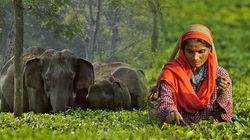
Man vs Wild – a vivid illustration of development colliding with nature.In India's far east, wild elephants are in deadly, daily conflict with people. Siobhan Heanue follows the clashes as roaming herds get squeezed by shrinking forests and a growing human population.Our Indian cameraman Gurmeet saw the attack as he fled…"I saw a cloud of dust, one elephant charging over one man, and that man got under the feet of the elephant. We thought ‘this dude is dead'"The man under the elephant was our local guide, Sanu. Amazingly he survived, with just a few scratches."My feet slipped… the elephant hit me. I'm lucky, or I'd be dead by now," Sanu explains to his wife. "Why were you such a show-off?" she snaps.Danger is ever-present in Assam state in India's north east, where 6000 elephants live among 30 million people. The animals' forest habitat is being sliced up for new rice paddies, tea plantations, roads and villages. Their old migratory trails, up to 1000 kilometres long, are strewn with man-made obstacles.So the big herds are hemmed in, with nowhere to go. They raid villages and crops for food. They kill and terrify local people. Last year in Assam state alone, elephants killed at least 64 people.Elephants are sacred in India and evoke the image of the popular Hindu deity Ganesh. But patience is thin among farmers when entire rice harvests are destroyed."Yes, they're hungry but we're hungry too," says Sharayan Bodo, who guards his crop at night armed with a crude spear. "Lord Ganesh is a god, but elephants are not."As correspondent Siobhan Heanue discovers, the elephants are taunted nearly everywhere they go as crowds of locals pelt them with rocks, firecrackers and shot pellets. Sometimes they move on, as intended. Sometimes they attack."I'm still shaking from the noise and ferocity of something that big coming towards you," says Heanue, after fleeing an angry female elephant which had been separated from her calf."Due to the encounters with humans, the elephants have changed their behaviour," says conservationist and filmmaker Rita Banarji. "They are more aggressive than they used to be."Despite the conflict and a recent fall in India's elephant population, Banarji is determinedly optimistic. She sees a "win-win situation" ahead and sets out how to strike a delicate balance between the needs of people and those of the giants that roam among them.
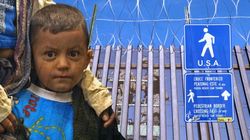
Walk In Their ShoesRarely does America see anything like this - a huge press of humanity streaming through Mexico, dreaming of life across the US border. Donald Trump, his administration paralysed over the $8 billion wall he needs to shut them out, calls them invaders. So who are these people and what are they fleeing?They've killed most of my family - my dad, my brother. We're running. Only God is with us – Tatyana, on the gang violence in her homeland HondurasNow Tatyana and the other migrants have been warned, by none less than President Trump, that they risk being shot by US agents if they push too hard at the border.She and her husband Ruben, with their two small children and another well on the way, press on.I'm prepared to die trying to make a better future for my family - Ruben Daniel, 13, is risking his life to buy a future. He is estranged from his mother, who sells drugs for a gang back home in El Salvador. His only choice there, he says, was to join a gang or run.Too much violence and drugs, they kill you for nothing. I need to study, just study – DanielOn the long road, rumours swirl.I heard that the president will open the doors for us – Victor, a teenager from El SalvadorOver several weeks Foreign Correspondent follows the halting progress of two migrant caravans – one from Honduras, one from El Salvador – as they slowly wend their way through Mexico.Most migrants say they are fleeing gang violence. Now they face a kidnap and murder threat from drug cartels as they make their way up La Ruta de la Muerte, or "Road of Death".Constant movement equals constant fatigue. At 5 am a weary mother rouses her teary child when it's time to move again: Let's go, let's go -- No, no I don't want to, I want to stay here on my own! Some give up on their American dream and turn back home.We have come this far for nothing – Honduran manBut when Eric Campbell catches up with the thousands of migrants massing in Tijuana, near the US border, he finds that for a lucky few, fortune has swung their way.
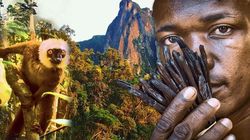
Behind our craving for vanilla-flavoured ice cream, cakes and chocolate, or for vanilla-scented perfumes, there's a rattling tale of fast money, skulduggery and the precarious fate of an iconic animal.A few years ago, the humble vanilla bean sold for $80 a kilo. Now it's $800. In vividly beautiful, dirt-poor Madagascar, supplier of most of the world's vanilla, that means good times roll.Vanilla is the best, vanilla is the crazy money. No income better in Madagascar - and I think the world! – Yockno, who is swapping tour guiding for vanilla farming.By day, Prisco is a hustler who buys and sells vanilla in the street. By night, in a seedy bar, he sings of his love for the bean, and what it can get him…Girl, come and weigh the vanilla, there's enough for whatever you want! – Prisco's song lyricPrisco is a bit player in a vast vanilla ecosystem. In the vanilla hub of Sambava, brokers plough money into shiny multi-story mansions. In big export warehouses, women sort their way through hillocks of beans. They're frisked before they go home, just in case they've filched any. In rural areas at harvest time, small farmers guard their crops overnight from roaming thieves. If the farmers catch them, justice is swift and sometimes deadly. They can do crazy things to them – Yockno, tour guide and vanilla farmerLong before the tense harvest, there's an operation that demands the utmost delicacy. Each vanilla flower must be hand-pollinated – a trick invented by a 12-year-old slave boy in the 1840s. Using a tiny thorn, Yockno shows reporter Adam Harvey how it's done.So what I do is push this tongue up…. It's all precision – and timing. Each flower is ready for pollination for only one morning each year.…. and I press softly the male to the female. So now it's done.Vanilla is surely sweet for Madagascar's people, but not for its most celebrated characters – the exquisite lemurs popularised by the Madagascar movie. High vanilla prices are putting pressure on the lemurs' habitat as forest is illegally cut to grow the beans.But as Harvey and the Foreign Correspondent team trek deep into the jungle, they discover – to their delight – that lemurs are hanging on defiantly. Our cameras capture them – bamboo lemurs, white-headed lemurs and critically endangered silky safakas, one of the world's rarest mammals – in all their glory.
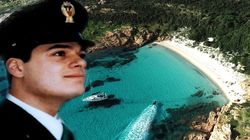
Secret Sardinia– a story of sickness, secrecy and cover-up ...Sardinia is an island cut in two. Along the white beach-studded Costa Smeralda, a magnet for the rich and famous, a villa can fetch close to $150 million."That house is owned by the head of Volkwagen," says realtor Lorenzo Camillo as he takes reporter Emma Alberici for a sail on his yacht. "Ah there we are - there's the famous Berlusconi villa."But more than a third of Sardinia – including much of its waters – is off limits to locals and visitors, whatever their celebrity. This area is controlled by the Italian military, rented out for some of the world's biggest war games and home to Europe's biggest bomb test site.This has many locals riled. "Islands, little islands have disappeared, erased by missiles shot from the land, the sky and the sea," says former Sardinian president Mauro Pili.Pili has also recorded the destruction of some of Sardinia's unique nuraghe - turret-like stone Bronze Age structures built some 3500 years ago – by test bombs.But it's not cultural vandalism or restricted movement that most concerns Sardinians. In areas near the test sites, there have been high rates of cancers, birth defects and early death.Giancarlo Piras recalls what the doctor said when his son Francesco, who had served as a soldier at a bombing range, got pancreatic cancer at age 27: "By any chance has your son been in contact with radioactive material?"Children were born with deformities including missing limbs. In one village in one year, one in four new born babies had some kind of defect. Sheep grazing on the test sites gave birth to grotesquely twisted lambs. Their shepherds too had phenomenally high rates of cancer.Tissue samples from man and beast showed high levels of a highly toxic material used in many bomb tests. "The longer they lived in the area, the higher the quantity," a nuclear physicist tells Alberici.As public pressure grew for a full accounting, the military pushed back. "If they didn't want us to see something they wouldn't show it to us. They feared we could find something unusual," says an MP who headed a parliamentary inquiry.Generals went on the front foot, blaming people's illnesses on close inbreeding. With much fanfare, they announced a scientific inquiry. But as Alberici reports, evidence shows they nobbled it.
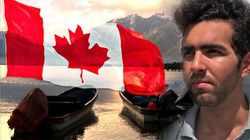
On his sleepless nights, Imran paces the floor grappling with ghosts from half a world away and many months past.I'm wide awake and I call my friends' names. ‘Hey Zainal! Hey Faisal! Where are you?' But they're not here, they're on Manus – Imran, 24, Rohingya refugee who spent nearly five years on Manus IslandBut come daylight, Imran can revel in his new home - Chicago, 14,000 kilometres from Manus. It's been more than seven years since, aged 16, he fled persecution in Myanmar. Along the way he was held hostage by people smugglers and detained in Indonesia before making his fateful journey to Christmas Island. Now, thanks to a refugee deal with the US, he has a job and is finishing school.I'm free, that's all that matters to me. People have been welcoming and I am loved. So, it's home, it definitely feels like home – ImranAn old friend of Imran's from Manus is also making a new life. Amir was 14 when he left Iran. Now 25 and living in Vancouver on Canada's west coast, Amir has a job in tourism and is set to study law. His good fortune flows from a chance meeting with Chelsea Taylor, a Melbourne nurse who worked on Manus and talked her Canadian-Australian parents into sponsoring him.You rescued me from an island which so many governments and so many countries were not able to do – Amir, to Chelsea's parents Wayne and Linda in VancouverCorrespondent Eric Tlozek first met Amir and Imran on Manus Island more than 18 months ago. He follows them from behind the wire to their new lives in North America in the most intimate and detailed account so far of life for Manus refugees.In Canada and the US, Tlozek meets Australian expats, like Wayne Taylor and fashion designer Fleur Wood, who are pitching in to help ex-detainees now that Australia is done with them. When I heard about them being resettled in America I knew how little help they'd be getting - Fleur Wood, co-founder of Australian Diaspora Steps UpNearly 500 ex-Manus and Nauru detainees are scattered across the US, receiving only brief and basic support from the government. Wood's group hustles to find them housing, bedding and clothing.When Wood searches for some Rohingyas who are just off Nauru, she ends up at a rundown building in North Chicago where four men share a tiny apartment, eking out casual work, dishwashing and cleaning. One is seriously ill.After five years on Nauru, these men aren't coping with their newfound freedom in America. They still want to come to Australia. Bizarrely, some even want to go back to Nauru.But for those who are faring better, life is what you make of it.You can be in the worst place on this planet and make it a heaven for yourself. And you can be in the best country on this planet and make it a hell for yourself – Amir in Vancouver
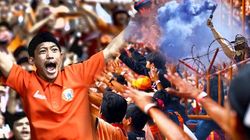
Can you imagine your favourite footy team getting to a game in an armoured personnel carrier? Ever been to a match where the visiting team's fans are banned?Such is the fear and violence infecting "the beautiful game" in our near neighbour Indonesia.Indonesia is like, insane – Marko Simic, Croatian playing for Jakarta's team PersijaRiot cops with automatic weapons are as much fixtures as goal posts. Brawling is the norm among the militias of fans and their commanders. Rumours of match-fixing swirl, fuelling crowd anger. Everyone wants to watch the game - but then you see the enemy and then you fight – Andibachtiar Yusuf, filmmaker and Persija Jakarta fanAbout 75 fans have been killed in soccer violence in the past 25 years. In a recent eight-month period, 16 died.Thousands more have been injured.He never asked for trouble. He was just watching a game – mother of 23-year-old Ari, Jakarta Persija fan who was beaten to death by dozens of Bandung supportersWhen fights erupt amid flashes of smoke flares and thunder of drums, games are stopped mid-way. Recently the entire league competition was suspended for a fortnight. It's got so bad that some football fans are prepared to see the game shut down indefinitely.Football in Indonesia has become a graveyard, not entertainment. Supporters' lives should never be sacrificed for our love of football – Akmal Marhali, head of NGO Save our SoccerCorrespondent David Lipson immerses himself among "Jakmania" - the Persija Jakarta fans who are as fiery as any in Indonesia - in their race for the championship title. His quest is to understand what drives such violence in a mostly Muslim nation that forswears alcohol.The word "amok" originates from this part of the world and was first recorded in the 17th century. It resonates today. In Running Amok, Lipson explores a fundamentalist fandom that's become the ugly face of football Indonesian-style.
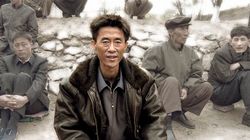
If ever there was a project to build bridges between North Korea and the rest of us, this is it.Every six months, without fanfare, medics and volunteers from the US, South Korea and other countries head to the North Korean countryside where they link up with local doctors and nurses to treat patients suffering from the deadly multi-drug resistant TB (MDRTB).As an outsider you're sort of pulling two worlds together. When I stand in front of North Koreans, most of whom have never seen a non-Asian in their entire lives, I represent a sort of visual spectacle. I represent Americans who they've been taught all of their lives to believe are their enemy – Dr Stephen Linton, founder of the US-based Eugene Bell FoundationMDRTB strikes close to 500,000 people worldwide each year, many of them in North Korea.It's a very painful way to die. But the cruellest thing about TB is that it's infectious. You don't just die – you actually kill the people you love – Dr K. J. Seung, Eugene Bell FoundationOver time the volunteers become emotionally attached to the patients, unashamedly so. On one of her first trips Hyuna Linton met a 14-year-old girl with MDRTB. Six months later, Hyuna returned with medicine and hope. It was too late.My heart broke then. She was the first patient who died that I can remember – Hyuna Linton, Eugene Bell FoundationNorth Korean doctor Im Soonhee dreads facing the family of any patient who's died.I feel sorry and guilty. I feel we didn't try hard enough or care for them enough – Dr Im, North KoreaDeep emotional bonds also form between the foreigners and their North Korean hosts.I remember Dr Im touching my cheek and saying, ‘Don't get sick.' I realised how much she worries about us. That kind of warmth is special – Hyuna Linton, volunteer, Eugene Bell FoundationTheir cultural differences put aside, the teams share not only grief but also moments of joy. Such as when a teenage girl recovering from the disease announces her life's new goal:I want to study medicine. I want to cure people who are sick like me – Youngshim, patientDefying a common perception of North Koreans as automatons, this film presents them as real people who laugh and cry and love. It's also a rare insight into a part of the world that's been mostly hidden from western eyes.Out of Breath – from filmmaker Hein S. Seok.

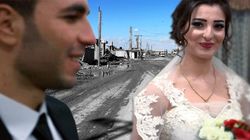
A radical experiment in democracy and women's rights is under way in the old badlands of Islamic State. But as Yaara Bou Melhem reports, it could be crushed in an instant.It was love at first sight – Azad, 26. My dreams are coming true! – Bercem, 19Lovestruck couple Azad and Bercem are about to get married. They want the usual things - kids, a nice house, a car. They're just hoping war doesn't get in the way.Azad and Bercem live in the town of Kobani in north eastern Syria, smack bang in the former territory of Islamic State. Their dream of a normal, peaceful life is shared by millions of fellow Kurds who now lead control of this area and are carving out a bold new system – a direct, secular democracy that enshrines gender equality. For Azad and Bercem, that means getting married in a civil ceremony, no sheikh required.We are building democracy, building a life we'd never dreamed of - AzadIn the drably named Autonomous Administration of North Eastern Syria, women hold 50 percent of official positions. Incredibly, Raqqa, the once notorious capital of Islamic State, is now headed by a young woman, Leila Mustapha. The bomber jacket-clad Mustapha is using her civil engineering skills to rebuild the city which will include a makeover of the square where IS displayed crucified and decapitated bodies. The locals called it ‘Hell Roundabout' because of all the brutal acts committed here – Leila MustaphaAs she tours Raqqa with reporter Yaara Bou Melhem, she does what would have been unthinkable under ISIS: she shakes hands with men on a worksite. But ISIS isn't wholly gone. It clings to a tiny pocket of territory south of Raqqa, moving among civilians as protection from attack, as Yaara Bou Melham discovers on a trip to the frontline.The Kurdish-led authority has some 900 ISIS foreign fighters in jail and it wants their home countries to take them back. One prisoner tells Bou Melhem how ISIS pushed its fighters:If you're not going to fight, you're not going to eat. People, kids, died from starvation - prisonerISIS is now the least of the administration's problems. To the west they must deal with Syria's Assad regime and to the north, the biggest worry, Turkey, which has sworn to smash the Kurds when Donald Trump pulls out American troops.Soldier Azad and journalist Bercem know a Turkish invasion could wreck their new life together. They will do what they know best.If necessary, he will go to war – BercemShe will report the situation and expose it to the world – Azad
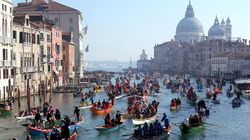
The "Floating City" is sinking under rising seas and the weight of mass tourism. Now Venice's residents are fighting to reclaim it, as Samantha Hawley reports.
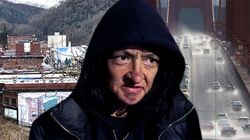
A secretive billionaire family pushes a pill that triggers more deaths than guns or car crashes. From backwoods Appalachia to hi tech San Francisco, Conor Duffy investigates America's opioid scourge.Nan Goldin and thousands of Americans like her are coming after the Sacklers."We have to bring down the Sackler family!" she yells in a protest rally in New York. "They should be in jail next to El Chapo."Goldin, a noted photographer, was addicted to Oxycontin, an opioid painkiller that's twice the strength of morphine.This little pill – backed by aggressive marketing to doctors and consumers - made the Sackler family its $13 billion fortune. It also tripped an emergency that kills 900 Americans each week and grips two million more in addiction.Oxycontin was supposed to ease pain for the terminally ill. But via their private company Purdue Pharma, the Sacklers flogged it for everything from stress to crook backs."I can't explain how happy I am today. I mean, it's just wonderful," gushed a construction worker in a 1999 Oxycontin ad.Purdue and the Sacklers now face a welter of lawsuits alleging they knew how addictive Oxycontin would be. It could be the biggest class action ever."We're going to get a tobacco-sized verdict against Purdue Pharma," says ex-Oxycontin addict Patrick Kennedy, son of the late Senator Edward Kennedy and nephew of JFK.Purdue, abetted by doctors and pharmacies, showered one West Virginian county's 20,000 people with 12 million Oxycontin pills – that's 600 apiece."That drug just about wiped out this county," says local sheriff Martin West. The sheriff estimates more than a fifth of his county is now addicted to opioids, heroin, ice or alcohol.Rocky Kuhn was a champion boxer as a boy. Later, he was addicted to opiates like so many of his old schoolmates."My graduating class – probably a third of ‘em are dead already," he tells reporter Conor Duffy. "And I'm just 33 years old. We didn't have a chance. Nobody had a chance."All too late, authorities restricted Oxycontin – which became a gateway to more lethal but cheaper drugs. Pill addicts first turned to heroin and now to fentanyl, a lethal synthetic opioid 40 times stronger than heroin.The opioid epidemic may have just crested in America's east, but not in the laid-back west coast. San Francisco has long tolerated an open drug culture, but city streets now brim with heroin and fentanyl addicts – 80 per cent of whom started on opioid pills."There are more injecting drug users in San Francisco – about 25,000 - than there are high school students – 16,000," says a furious city attorney Dennis Herrera, who is behind one of the mega writs against Purdue and the Sacklers."This is a major, major problem that is happening right here in one of the richest cities in the country – and despite our efforts, we're being overwhelmed."While Herrera does battle in the courts, it's up to drug harm reduction workers like Paul Harkin to confront the epidemic in the city streets."We're seeing more fentanyl enter cuts in the drugs – and overdose deaths this year are gonna be up," he says, as he hands out clean needles.One of his clients is George, who went from pills to injecting fentanyl-laced heroin. His self-described "King Kong" habit might soon kill him, but he seems more worried about younger addicts. "It's like fuck man, I hate to see people out here so young and they have no get-back," he says."It's like there's no return. It's a point of no return."
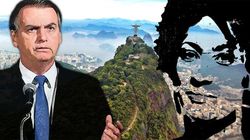
Democrat or despot? Brazil's new strongman is cracking down on rampant crime – but many fear the "Trump of the Tropics" is turning his country into a police state. Sally Sara reports.
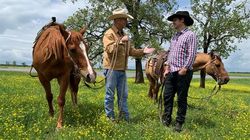
In the season return, Craig Reucassel investigates the future of food, where plant and animal cell-based meat substitutes challenge America's multi-billion-dollar meat industry.
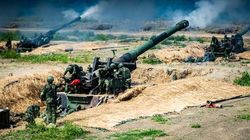
China is stepping up the pressure on 'renegade province' Taiwan to drag it into the mainland fold. Bill Birtles travels to Taiwan as it battles to keep its independence and democracy from China.

Ukraine is the new 'go-to' destination for couples desperate to be parents. But Samantha Hawley uncovers an industry out of control that exploits surrogate mothers and leaves babies abandoned.
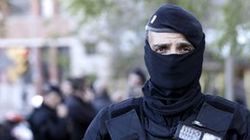
When Foreign Correspondent's roving reporter Eric Campbell made Barcelona his base in 2016, he saw it as a place from which to cover stories, not a story in itself.That all changed in 2017 when the Spanish government cracked down hard on an illegal independence referendum held by the regional Catalan government.Thousands of national riot police descended on the Catalan capital of Barcelona, dragging voters away from polling stations, firing rubber bullets and locking up the movement's leaders."They hurt us not only in our skin, they hurt us in our souls," says one independence supporter. "This was a deep injury. I think it will never heal."The brutal repression of the vote provoked months of political turmoiI and divided the city between those in favour of independence and those against.To understand the push for independence, Eric traces today's political passions back to the centuries-old tensions between centrist Spain and Catalonia, when Madrid first repressed the region's distinct language and culture. Then to more recent history, when dictator Francisco Franco tried to kill off the Catalan language and traditions.Today in Barcelona those traditions are very much alive.Eric takes us behind the tourist traps to reveal a city still celebrating its culture, from the neighbourhood ‘castell' – or human castle – competitions, to football games where independence chants are a feature of every match, to riotous medieval festivals with devils, giant puppets and fireworks.As he farewells Barcelona after three years, Eric leaves a community divided politically but united in its passion for its capital and culture.This is an affectionate portrait of an incredible city at an incredible time.
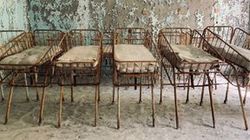
The site of the world's worst nuclear accident Chernobyl is now a tourist destination. Linton Besser visits the exclusion zone to see the devastation of nuclear meltdown, government-sanctioned cover-up and radiation sickness.
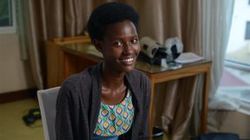
The inspirational women of Rwanda who have turned pain into hope. They lived through one of the worst atrocities of the 20th century but the power of love and family saved them.
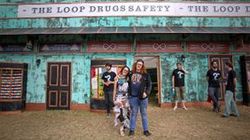
As Australia grapples with a spate of deaths at music festivals, triple j presenter Tom Tilley heads to Europe to see drug testing in action. But is it the only way to keep people safe?
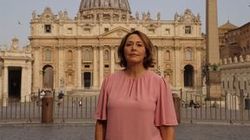
It's been an open secret for years, Catholic priests fathering children in breach of their vows. After suffering in silence and shame those children are speaking out, demanding answers and recognition from Rome.
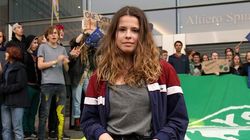
They're young, passionate and want to save the planet. We profile three young activists inspired by Swedish teen Greta Thunberg to mobilise the public and demand action on global warming with climate strikes and at the UN.

'What is Danish?' asks comedian Ellie Jokar. Born in Iran, now a Dane, Ellie struggles to understand why her once friendly country has pulled up the welcome mat. Hamish Macdonald explores a nation with an identity crisis.
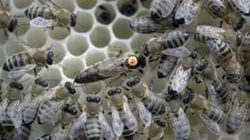
Foreign Correspondent travels to Europe to investigate the decline of the insect population, threatening entire ecosystems. Reporter Eric Campbell discovers the causes and the steps in place to reverse the decline.
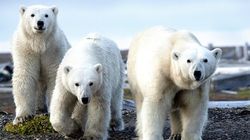
Alaska's indigenous tribes are fiercely proud of their pristine land and traditions, but as Trump pushes to open up its protected wilderness for oil exploration, Zoe Daniel asks could it be under threat? (Final for 2019)
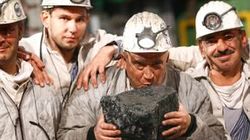
While Australia ponders opening new coal fields, Germany has reached an agreement between government, mining and energy companies and unions to phase out brown coal by 2038 in return for a $60 billion injection of funds.
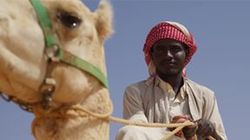
Sam Hawley gains rare access to the reclusive kingdom of Saudi Arabia as it begins a campaign to become a tourist destination. But is the notoriously repressive, brutal regime ready to open itself up to the outside world?
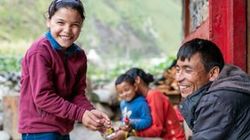
Reporter Sally Sara travels to Nepal to uncover an ugly truth: many children living in the more than 500 orphanages across the country are not orphans but victims of traffickers, who prey on poor families in remote areas.
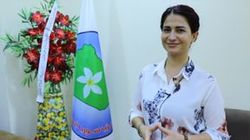
An idealistic young woman who believed in a better future for her war-torn country, Hevrin Khalaf was brutally murdered just days after Turkey's invasion of north-east Syria. Who killed her and why? Yalda Hakim investigates.
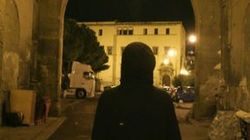
Sex, drugs and people smuggling. Emma Alberici braves a no-man's land near Naples to report on a ruthless new criminal group moving in on the Italian mafia. Will the Nigerian mafia be as hard to root out as the local mob?
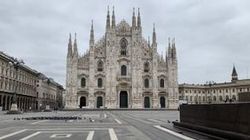
Europe's Coronavirus epicentre and a system at breaking point. Italy in lockdown with cases of infection rising by up to a thousand daily, hospitals are swamped and patients young and old are dying. Emma Alberici reports.
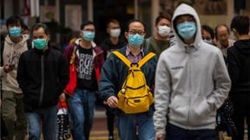
While the world shuts down, Singapore has been open for business. Learning from the SARS outbreak Singapore acted on its pandemic plan even before the new virus arrived. Eric Campbell explores the secrets to its success.

Take an epic journey across Antarctica with a crack team of scientists on a mission to unlock earth's secret history. They plan to drill hundreds of metres deep to find atoms in a bid to illuminate our climate future.
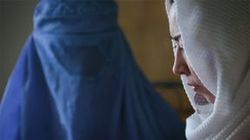
After years of war the US government and the Taliban are making a 'peace deal'. But what does the Taliban's return to power mean for Afghan women? Will migrant Afghani workers returning home from Iran spread COVID-19?

New York City is the epicentre of the US fight against the COVID-19 outbreak. We follow paramedics, police, ICU nurses, overworked doctors and volunteers on the frontline despite a lack of personal protective equipment.

A deeply divided nation in the throes of a culture war. The Polish government and Catholic Church are forming a holy alliance to denounce Western-style liberalism. Now feminists, gay people and liberals are fighting back.
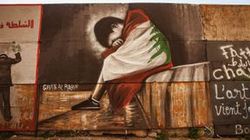
Lebanon's young and old, rich and poor, Muslim, Christian and Druze have united to try and overthrow corrupt and incompetent leaders. They face hyperinflation, currency collapse, high unemployment, power cuts and COVID-19.
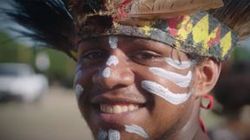
A secret war on Australia's doorstep. Sally Sara reports from inside the escalating conflict in Indonesian-ruled West Papua. There have been protests, fighting, a security crackdown, hundreds dead and thousands displaced.
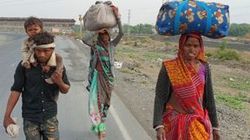
India has enforced the world's biggest lockdown. When the government ordered people to stay home, millions of migrant workers left the city for their villages so they wouldn't starve. Is the cure worse than the disease?
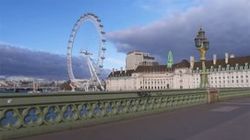
Coronavirus has hit Britain hard with the highest death toll in Europe and forecasts of the deepest recession in 300 years. We look at England through the lockdown and hear people's fears and hopes for life after corona.
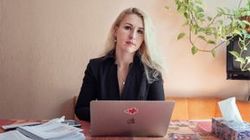
She's a young doctor. He's the Russian President. He insists he's got the virus under control. She says he's lying. We follow the medic who's learned to fight without fear and the leader who's afraid of losing control.
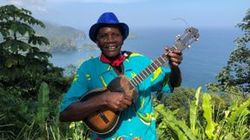
The laid back, self-proclaimed 'rainbow people' of Trinidad and Tobago are dealing with an increase in illegal migration, gang crime and piracy on-sea. Andy Park visits during peak party season, the festival of Carnival.
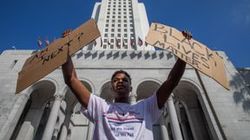
What began as a hashtag seven years ago has transformed into a global movement for justice for black people. Sally Sara reports on #BlackLivesMatter, the force galvanising rage and grief sparked by George Floyd's death.
Being a single man in China is tough. Young men face pressure to provide a family heir but finding a bride isn't easy. With 30 million more males than females, many bachelors are taking desperate measures to get hitched.
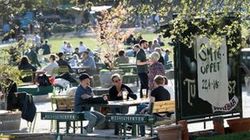
Sweden is doing COVID differently. Its high-risk strategy allows cafes, schools and gyms to stay open, trusting citizens to do the right thing. But with over 5000 dead, many are asking - is the Swedish model working?
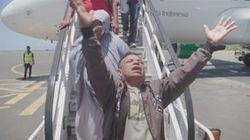
Born in Timor, raised in Indonesia, a group of East Timorese stolen during wartime is now returning home. But will reunion with long lost family heal old wounds? This is a moving story about the power of blood and memory.
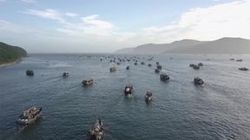
Foreign Correspondent investigates North Korea's secret fishing fleets, exposing smuggling operations which make millions for leader Kim Jong Un. As they illegally fish further out to sea are they breaking UN Sanctions?
Falun Gong has morphed from fringe quasi-religious group into a powerful player in America's conservative media landscape. Using social media they try to get Trump re-elected so he can continue his war of words with China.
US Bureau Chief David Lipson travels through the northeast swing states to speak with voters about the coming presidential election. Will this fractured country survive the ultimate democratic stress test? (Season Final)

Meet the formidable women in Georgia who fought for democracy and won. They faced generations of racism and voter suppression, inspiring record black voter turnout. Now their sights are set on the American South.

Once a city of protest, now a city of fear. Bill Birtles chronicles freedom's final days as Hong Kong activists face a stark choice: should they stay and fight for democracy, risking jail or flee and campaign from abroad?

He was poisoned, almost blinded, arrested and jailed but Alexei Navalny isn't cowed. He wants to force out President Putin and he's risking his life to do it. The inside story of Navalny's plan to take down the President.
The women are rising. With their men jailed, Belarusian women have stepped on to the frontlines of the revolution. Inspired by a fearless great-grandmother, they won't give up till they've toppled their President.
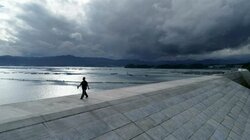
As Japan commemorates the 10th anniversary of the tsunami, Mark Willacy travels along the north-eastern coast to meet the fishermen and communities affected by a $17 billion project to build a new seawall running 400km.
Bali's natural beauty and rich culture have made it a top holiday destination but since COVID hit the island is struggling. Locals are now questioning their dependence on tourism and the over-development it has unleashed.
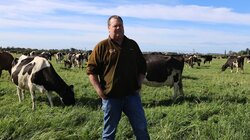
New Zealand's clean, green image hides a dirty truth. Polluted by intensive dairy farming, its waterways are some of the most degraded in the world. Will the Ardern government clean it up or will the Maori take control?

Spain has been hit hard by the pandemic, with over seventy thousand dead. Australian Lily Mayers reveals how the nation's people are struggling to survive through a once-in-a-lifetime crisis. (Midseason Final)
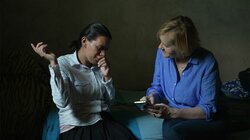
In a world TV exclusive, Sarah Ferguson reports on the fallout of a brutal US immigration policy that tore families apart. She tracks the journey of a mother seeking to reunite with her children after 4 years alone.
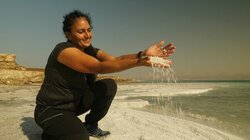
For millennia its waters healed the faithful. Now they're the source of conflict and tension. Eric Tlozek takes us on a spectacular journey through an ancient land to unravel the mystery of the disappearing Dead Sea.
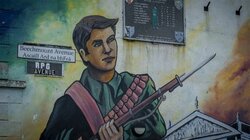
It's called 'the British betrayal' - Great Britain promised Brexit wouldn't lead to the creation of a new border between the UK and Northern Ireland. It broke that promise. Now the province's Loyalists, welded to the union with Great Britain, are feeling abandoned.

Is seeing believing? Not anymore. AI can now make fake video where real people say and do things they never did. Hamish Macdonald reports on deepfakes, the technology some fear will undermine civilisation as we know it.

As China celebrates its Communist Party's centenary, relations between the world's two superpowers are in dire straits. With special access inside China we explore the deeper forces pushing US-Sino relations to the brink.
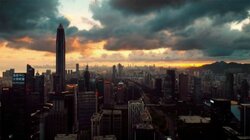
There's a tech war being fought between the US and China. While the US has had the edge, China is catching up fast, investing heavily in A.I., robotics and surveillance. Will it overtake the US to dominate the 21st century?
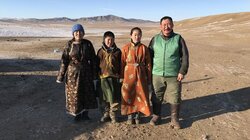
Mongolia's nomadic herders have survived the harsh climate of the steppes for centuries. Now they're facing the new and unpredictable threat of climate change, with more extreme weather. Can these resilient people adapt?
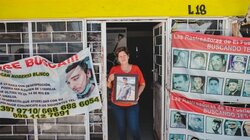
Tens of thousands missing, many more murdered. So why are Mexico's violent drug cartels operating with impunity? We go inside the most powerful cartel to meet the footsoldiers. Corruption, they say, goes right to the top.
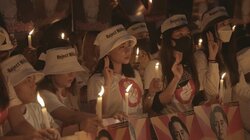
A military coup, a young democracy shattered. Six months on Myanmar's Gen Z is resisting, boycotting the military and its businesses. Many are in hiding, some are picking up guns. Is the country on the brink of civil war?
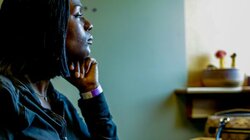
The right to an abortion in the US is on the brink. Guaranteed by the Supreme Court 50 years ago, that right has been wound back by the states. With the Court about to reconsider the issue, many states could ban it overnight.
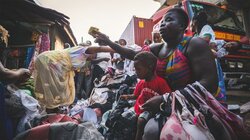
The dark side of the world's fashion addiction. Many of our old clothes, donated to charities, end up in rotting textile mountains in West Africa. This is a story about how our waste is creating an environmental disaster.
The Taliban is back. Even before foreign forces have withdrawn from Afghanistan, the hardline Islamic force has seized control of the country. In the lead up to the takeover Yalda Hakim asks its leaders how they will rule.
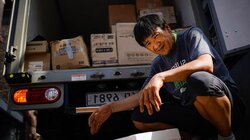
Since the start of the pandemic, 21 delivery workers in South Korea have died. Unions blame overwork. As demand for home deliveries explodes, the pressure on sorters and drivers is relentless. Now they're fighting back.
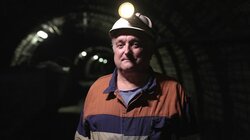
From Europe to the US, coal is under fire. Environmentalists are circling, mines closing. As coal declines how will communities fare? We go to the US & Spain to see how different regions are managing the dying days of coal.
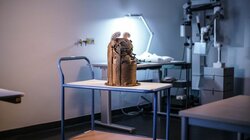
Europe's museums are stashed full of Africa's cultural heritage, much taken in colonial times. Some was looted, some traded. The museums say they're the rightful owners but others say the objects belong in Africa.
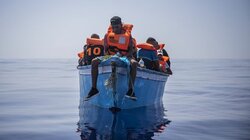
One Spanish yacht, a quarter of a million square kilometres of sea. Boatloads of desperate men, women and children fleeing for their lives. Can a Barcelona crew help thousands on a risky journey and steer them to safety?
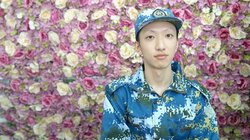
Three young people. Three stories of living differently in China. This generation is richer than their parents but the pressure to achieve and fit in is heavy. They're finding their own way to rebel in search of identity.

In the era of New Space, billionaire Elon Musk is blazing the trail. He's building a gigantic starship to fly humans further than ever before. Sarah Ferguson reports on one man's extraordinary mission: Destination Mars.
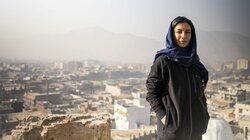
Reporter Yalda Hakim returns to Afghanistan for the first time since the Taliban took power. She finds a war-ravaged country on the brink of starvation and economic collapse, and a new terror threat on the rise.
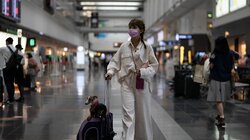
Flying solo in Japan. A rich and powerful nation is facing a social crisis. Millions of young singles are turning their backs on marriage and children - will it create an epidemic of loneliness? Jake Sturmer reports.
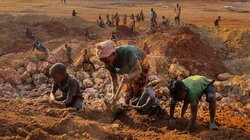
The brutal cost of our green energy future. In the Democratic Republic of Congo we expose the shocking truth about the mining of cobalt, a metal essential to making the batteries in electric cars, laptops and mobile phones.
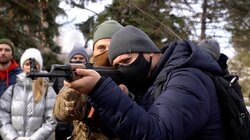
The world is watching on in shock as Putin's army invades Ukraine. Two countries with a shared history spanning centuries are fighting in the streets of Ukrainian cities. We explore both sides of this dangerous conflict.
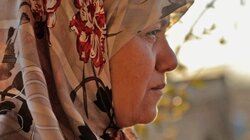
Before Ukraine, there was Syria. Now in its 11th year, this ongoing conflict is Russia's forgotten war. Syrian journalist Yaman Khatib, who fled in 2016, returns to his homeland to see how people who stayed are faring.
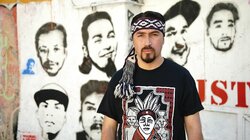
Once the owners of vast tracts of forest and mountains, Chile's largest indigenous group the Mapuche are fighting to take back what was lost. Eric Campbell is in central Chile where a rebellion is met with military force.
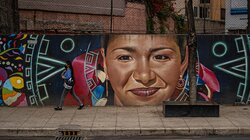
In Mexico, 10 women are murdered every day. In this compelling true crime episode, Sarah Ferguson goes on the road with Mexico City's femicide detectives, as they visit crimes scenes, gather evidence and solve cases.

In this month's presidential race France is swinging to the right. Candidates on the far-right are polling around 30%. The left is divided, xenophobia rife. Has the nation that champions equality and fraternity lost its way?
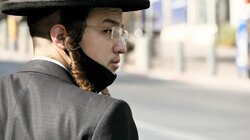
A rare glimpse inside Israel's ultra-Orthodox communities. Traditionally, men study the Torah while women work and look after the children. Now, some in this rule-bound world are pushing the boundaries of what's acceptable.
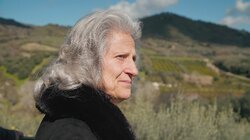
For years a ruthless mafia ruled Calabria through intimidation and violence. Now a magistrate is taking them on, charging hundreds in one of the biggest trials in decades. Can the Italian state beat its most powerful mafia?
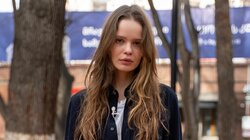
Since Russian President Vladimir Putin invaded Ukraine in February, about 30,000 Russians have fled to Georgia. Reporter Eric Campbell travels to the former Soviet republic to meet the brave people opposing Putin and his war.
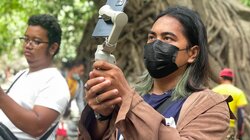
Forced into exile 36 years ago, the Marcos dynasty is poised to take power again in the Philippines. The son of dictator Ferdinand Sr, Bongbong, is much loved - but how has the family restored its tarnished reputation?
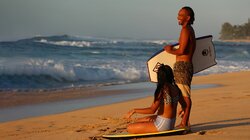
It's a slice of paradise for some but behind the postcard facade, native Hawaiians have a different story to tell. Reporter Matt Davis visits the Hawaiian Islands to hear from people fighting to keep their culture alive.
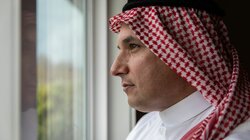
A troubled man. His missing father. A secretive kingdom, faraway. Like many who were abandoned by their Saudi fathers, Jared wants to meet the dad he never knew. Will this rigid society welcome the children it left behind?

In Nebraska, a grim search is underway. A community is trying to locate the graves of indigenous children who died after being taken from their tribes and sent to boarding school. A powerful story on facing a painful past.
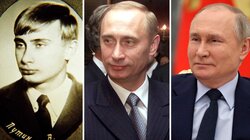
He started as a low-level spy. He ended up president for life. For two decades, former Moscow correspondent Eric Campbell has tracked Putin's rise to power, speaking with his school teacher, friends, patrons and enemies.
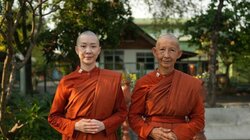
Across Thailand a quiet revolution is underway. Hundreds of women are defying generations of Thai tradition and ordaining as Theravada Buddhist monks. Mazoe Ford follows two Thai women on a deeply spiritual quest.
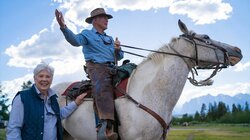
Wyoming is the most pro-Trump state and respected Republican Liz Cheney is about to find out what that means. Kathryn Diss travels through the spectacular wilderness to talk with locals about the upcoming primary elections.
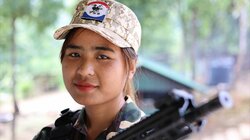
In remote north western Myanmar, a civil war you've never heard of is underway. The people of the Chin State are locked in conflict with Myanmar's military machine. Matt Davis gained exclusive access to the Chin resistance.
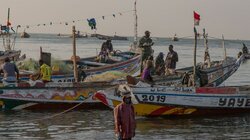
In the oceans of West Africa, it's a poachers' paradise. Foreign ships are illegally raiding these rich fishing grounds, leaving little for locals. Now the tide is turning, as activists help governments push back the boats.
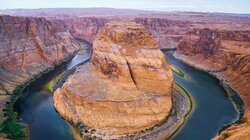
The mighty Colorado is under threat. From the Rockies' snowy peaks to Mexico, the river is a lifeline for tens of millions of people. We journey along its waters to see places and meet people changed by a drier world.
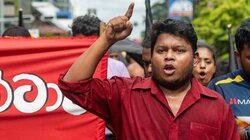
A few months ago, Sri Lankan protestors had a moment of triumph, storming the presidential palace and occupying its grounds. Now a new president is cracking down, putting many in jail. We ask, will the movement surrender?
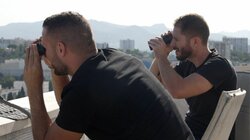
In the French city of Marseille, there's a war on drugs. The police are cracking down on gangs dealing from estates in the city's north. The dealers say it's the only way to survive. We gain rare access to both sides.
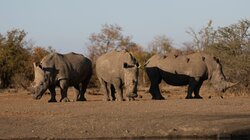
The mighty rhino is making a comeback. In Zimbabwe it was poached to near extinction in the 2000s. We visit a wildlife sanctuary, with an elite anti-poaching squad, to see how the animal is being brought back from the brink.
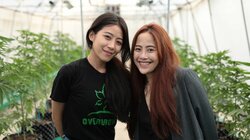
From zero tolerance to decriminalisation, Thailand's U-turn this year on cannabis laws is lighting up a billion-dollar industry. Officially it's for medicinal use but the legal grey area means 'ganja' lovers are celebrating.

In chat rooms and online forums, men are trading sexually explicit images of women, often without consent. This program investigates a flourishing sub-culture and finds one community of women is especially vulnerable.
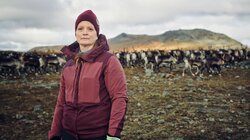
In Scandinavia, the indigenous Sami have their own parliaments. But a new wave of green development is putting pressure on Sami lands, testing the power of their voice. What lessons can Australia learn from the Sami?
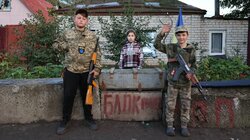
Putin's recent losses on the battlefield have emboldened Ukrainians. Steve Cannane travels to the warzone in northern Ukraine to meet the people freed from Russian occupation and hear stories of trauma, courage and defiance.
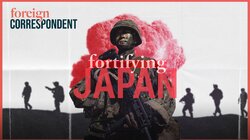
After decades of peace, Japan is now confronting the possibility of war. With concerns over a resurgent Russia, North Korea and crucially, a more powerful China in the region, Japan is embarking on its biggest military spend since the Second World War.On Foreign Correspondent, reporter James Oaten has gained unique access to the Japanese military as it fortifies its remote southwest islands with new military bases. The popular tourist destination of Ishigaki, an island that is closer to Taiwan than Tokyo will soon be home to hundreds of soldiers, stockpiles of ammunition and missiles that could one day strike mainland China. The local farming and fishing community is divided over the base, and what it means for their idyllic way of life. The population paid a high price in the dying days of World War 2, fuelling fears that they will once again become a target.

This week on Foreign Correspondent Eric Campbell, already on Russia's banned list of journalists, travels to Latvia to meet the others who have taken great risks to fight the propaganda war.On the eve of the first anniversary of Russia's invasion of Ukraine, the propaganda war being waged by President Putin has become more extreme. Russian citizens are being repeatedly told that Ukraine is being run by LGBT Nazis and President Vlodomyr Zelensky is a drug addict and a sexual pervert.Independent Russian journalists forced to flee the country have found sanctuary in neighbouring Latvia where they are now broadcasting factual news about the war into their former homeland via YouTube. On Foreign Correspondent, reporter Eric Campbell, also on Russia's banned list, travels to Latvia to meet the journalists who have taken great risks to fight the propaganda war.In the capital Riga, Eric interviews Latvian President Egils Levits, one of Ukraine's most ardent supporters. His government is allowing NATO troops to train in his country amidst fears Latvia too could suffer the same fate as Ukraine.
This week on Foreign Correpondent, Stephanie March is on the hunt with the international task force rescuing abused children.In the dead of night in Manila, police officers track down criminals responsible for delivering online child abuse to a growing number of Australian customers. This scene has played out dozens of times across the Philippines as cases hit unprecedented levels.The demand for live streaming child sexual abuse is so high in Australia that AFP officers are now based permanently in the Philippines working with an international task force investigating this distressing cyber-crime.On Foreign Correspondent reporter Stephanie March has been given exclusive access to the Filipino police and the international task force as they hunt down the abusers and rescue the children. Parents are often involved in arranging the abuse and in a frank and confronting prison cell exchange Stephanie interviews a mother accused of facilitating the abuse of her own child for money.
On Australia's northern doorstep lies one of the most extraordinary places on earth – some environmentalists call it the second Amazon. The Sepik River Basin in Papua New Guinea is a natural wonder and home to rich and ancient cultures. It's a place few outsiders ever get to see. For some time, PNG correspondent Natalie Whiting has been hearing rumours about what's going on in the remote areas upriver – claims of a logging land grab, police brutality, even killings. This week on Foreign Correspondent she undertakes the journey far up the Sepik River to see for herself what's happening.In the rainforest of the Upper Sepik a community is divided. Logging operations and a proposed massive mine site bring hope of economic prosperity for some. But others fear development of the land by international companies means environmental destruction with little benefit. PNG is the world's largest exporter of tropical round logs but out of sight in the Sepik region some landowners say the logging is happening without proper consent and there are consequences for those who stand in the way. With a long history of mistrust of big corporations and the promises they make, many of the locals are angry and ready to do whatever it takes to preserve some of the most unspoilt rainforests and waterways on the planet.

In Cambodia, Chinese organised crime syndicates are running global cyber scam operations using workers who have been trafficked and enslaved in secure compounds. The syndicates have strong ties to the ruling Hun Sen regime.
Somalia is one of the most dangerous places on earth. Almost two decades of conflict with the al-Qaeda backed terrorist group al-Shabaab has taken a huge toll on the country. Now Somalia is experiencing its worst drought in 40 years. With the world distracted by the war in Ukraine, the crisis is escalating away from the public gaze.This week on Foreign Correspondent reporter Stephanie March and producer/cinematographer Matt Davis travel to Somalia where makeshift camps have become home to more than a million hungry children and their families. There, they meet mothers with babies who have walked for days without food and very little water. They hear incredible stories of courage and survival in a landscape that is unforgiving and unsafe. And they also face their own safety problems when their security team worries al-Shabaab has been told of their whereabouts.As the Somali government fights back against al-Shabaab, another threat, which they have no control over, is driving the extreme weather: climate change. In the midst of this turmoil, the Foreign Correspondent team meets extraordinary people who are determined to make their story one of survival.
This week on Foreign Correspondent, reporter Nick Dole explores the new push for Independence in Wales and meets the leaders campaigning to break up with Britain.When the United Kingdom voted to leave the European Union, Brexit supporters predicted the UK would boom. Three years later and the nation is at breaking point with high inflation, an energy crisis and concerns about a recession fuelling a healthy dose of Brexit regret. No more so than in Wales where something remarkable is happening.The Welsh are finding their voice, and the famous red dragon is awakening.This week on Foreign Correspondent reporter Nick Dole explores the new push for Independence and meets the leaders of the movement campaigning for Wales to break up with Britain.He travels to the city of Wrexham where the locals are riding high on a wave of pride as their football team gains global recognition thanks to the popular tv streaming show Welcome to Wrexham. The club was recently bought by Hollywood celebrities Ryan Reynolds and Rob McElhenney – and it's put Wrexham on the map. But as well as a growing confidence in their team for some there's also an increasing belief that Wales can achieve much more as an independent nation, away from the rule of Westminster.With a major push now on to preserve the Welsh language one question is getting louder: A fyddai cymru yn well ei byd ar ei phen ei hun? (Would Wales be better off on its own?)

Check shirts in tow, this week on Foreign Correspondent special guest reporter Craig Reucassel travels across the islands of Fiji to see how the nation is combatting climate change.With tourism back and booming, Fiji is again a number one destination for travelers seeking an island paradise experience. And while water lapping on the shoreline might make for an Instagram worthy picture, for the people of Fiji, it presents a threat to their way of life. With his trademark style, Craig goes off the tourist track and shows what living with climate change actually means for those who don't have the luxury of arguing about it. More than 800 villages are now on a government climate risk list – some communities have already been moved to higher ground but others are resisting. And many are asking: who caused the problem and who should pay to fix it?

The Persian Gulf nation of Bahrain is reinventing itself as a liberal oasis and its capital Manama has become the place to party for young Saudis who can do things that are forbidden in their own country.

The US State of Florida has become the centre of America's culture wars as Governor Ron DeSantis pursues a right-wing agenda focused on gender and race laws which some hope will take him all the way to the White House.

This week on Foreign Correspondent reporter Naomi Selvaratnam meets some of the North Korean women who have fled to South Korea, as they struggle to fit in.They're the refugees from North Korea's hermit kingdom who overcome huge odds to escape to a new life in South Korea. Most of them are women and the journey they undertake is a perilous one. Many are influenced to leave after viewing smuggled South Korean TV dramas which showcase a life of freedom and opportunity. But the reality is often very different. Instead of finding happiness they are overcome with loneliness and isolation. On arrival, often after harrowing experiences at the hands of human traffickers, they are placed in a training school and taught how to live in the modern world, South Korean style. Once on the outside, their accent, clothing and behaviour often make them stand out, and they struggle to assimilate, some often barely surviving.Those who do escape are known as defectors and they rarely speak out publicly. This week on Foreign Correspondent reporter Naomi Selvaratnam meets some of the North Korean women who are trying to make new lives for themselves in South Korea and asks them: Has their escape been worth it?
Fentanyl is the main source of drug overdoses in the United States, supplied by the infamous Mexican Sinaloa cartel. The drug is making a fortune for the cartel, we go inside to see the luxurious lifestyle.
It's almost a decade since ISIS forces swept through Iraq and Syria but the legacy of their brutal caliphate remains. The Yazidis of northern Iraq were slaughtered and enslaved by ISIS. Today the search continues for the missing Yazidis who have still not returned home.
It's been called the biggest art theft in history – thousands of statues stolen from temples across Cambodia and sold to private collectors and international museums, including here in Australia. Now a team of art sleuths, on behalf of the Cambodian Government, are on a mission to bring home the country's cultural heritage.In this episode of Foreign Correspondent, the inside story of how Cambodia's stolen antiquities are being tracked and returned in a global treasure hunt. South-East Asia correspondent Mazoe Ford travels with the restitution team as they journey across the country and over borders to identify, trace and reclaim Cambodia's missing treasures.

In India the Modi Government is being accused of waging a war on Bollywood, the country's most powerful cultural force. Filmmakers who criticise the government or resist pressure to produce pro-Hindu content face a backlash.
Almost a year since widespread protests over women's rights erupted on the streets of Iran, young Iranians who are still defying the country's repressive regime, talk about the price they are prepared to pay for freedom.
In Canada Australian firefighters join an international team in a desperate battle to help combat the nation's worst forest fires in recorded history. An area of 32 million acres has been scorched in this climate catastrophe.
In Germany an anti-State 'sovereign citizens' group is increasingly engaged in acts of terrorism. Intelligence authorities are worried about its connections with a right-wing extremist party gaining popularity in the polls.
A year after the Uvalde school shooting in Texas the community is still traumatised. They're angry about the inadequate police response on the day and they're determined to change the law on the sale of deadly assault rifles.

Barbados was the first British slave society in the Caribbean. Now, two years after becoming a republic, there is a growing demand for institutions and the descendants of slave owners to make amends for the sins of the past.
A billion-dollar illegal drug trade is funding the Syrian regime under President Bashar al-Assad. Insiders reveal details of the drug operations and the links to members of the president's family and the Syrian Armed Forces.

Argentina is on its knees with inflation rates over 100 percent and 40 percent of the population living in poverty. There's hope that mining the country's vast supply of the rare metal lithium could solve the current crisis.

Before the war, 2023 had been the deadliest year for Jews and Palestinians in the occupied West Bank in 15 years. This program looks at the rising tensions between the two before the brutal terror attack by Hamas.

Fake fashion is big business. From Gucci to Balenciaga, replica brands are everywhere. The trade is run by crime syndicates implicated in human trafficking and even terrorism. This story goes inside the counterfeit industry.
Indonesia has embarked on a radical plan to relocate its congested and sinking capital Jakarta to the jungles of Borneo. A new $45 billion mega city is currently being built but critics say it's too expensive and too remote.
The horrific events of October 7 and its aftermath have dramatically changed the lives of Palestinians and Israelis. With widespread loss of life and devastation, suspicion and revenge are boiling over and fear is everywhere.
In Punjab, northern India, the Sikh separatist movement is fighting to create its own independent Khalistan nation. Separatist leaders have accused the Modi government of targeting Sikhs around the world including Australia.

Italy's population is ageing and with towns dying out, residents in Sicily have undertaken a grand social experiment. They're selling abandoned houses to newcomers for just one euro in a bid to breathe new life into old towns.
In the jungle of central Vietnam lies Son Doong, a magnificent underground cave passage, the largest in the world. Undisturbed for millions of years, its future has been placed in doubt with plans to make it a tourist mecca.
Eighty years since Japan and the Allied forces waged a battle at Guadalcanal, Solomon Islanders are still paying the price with thousands of unexploded devices left behind and the threat of leaking oil from rusting warships.
In Japan the ancient sport of sumo is wrestling with how to accept women competitors on an equal footing, challenging deeply held traditions. We meet the women who are trying to modernise attitudes in a sport they love.
The UK illicit drug market is worth an estimated 9.4 billion pounds a year. In small towns in the north of England, drugs are being warehoused and sold by criminals who make large sums of money and lead enviable lifestyles.

In the decades since the Korean war, over 200,000 children have been adopted to families worldwide. Now as adults, adoptees are demanding investigations into falsified documents, duplicate identities and even stolen children.

Across Ukraine increasing numbers of women are running newsrooms and reporting the war from the frontline. While male colleagues have joined the fight, women are working hard to ensure isolated communities are kept informed.

Immigration has become a defining issue in this year's US Presidential Election race. In Texas, the Republican Governor has politicised the problem by sending busloads of immigrants to Democrat cities like New York

In the US political tension and deep division are causing concern for thousands of Australians who now call America home. Some are horrified by the state of affairs and are planning to leave. Others hail Donald Trump a hero.

In the Arctic, tensions between Russia and NATO nations are escalating in the Norwegian territory of Svalbard, one of the most geostrategic places on the planet. Russia is being accused of provocation and sabotage.

With Hong Kong's protest movement effectively silenced and with activists either fleeing or ending up in jail, the city is being remade. More than 100,000 people have left and the new arrivals are coming from mainland China.

Corruption, drug use and fraud are not what you expect from Thailand's Buddhist monks. A series of scandals is engulfing the religion. Go on patrol with the monk police and undercover agents trying to bring them into line.

In the tourist mecca of New Caledonia tensions between the French government and the indigenous Kanak people have resulted in violent uprisings. The push for independence has created ongoing deep divisions in the country.

A bouquet of flowers is the go-to gift for many occasions, but the world is paying a high price for out of season blooms. Go behind the scenes of the billion-dollar flower trade to reveal the true cost of the flowers you buy.

Australian doctor Ken Elliott tells his extraordinary story of being held captive in the Saharan desert by Al Qaeda terrorists for more than 7 years. Dr Elliott was 81 when he was kidnapped with his wife from Burkina Faso.

To combat its reputation as the most dangerous country in the world El Salvador has declared war on its gangs and built a mega prison capable of housing up to 40,000 inmates. Critics call it a 'black hole of human rights'.

Bali is one of the world's most popular tourist destinations, but the demand from holidaymakers and now digital nomads is turning paradise into a construction zone. Will cashed up foreign developers change the island forever?

Across New Zealand tensions are high with Maori protestors warning the country is facing a watershed moment on race relations. The protestors are angry about the rollback of Maori programs by the conservative government.

Copper theft is a billion-dollar crime that's causing chaos in South Africa. Across the country police and armed contractors are waging war on the criminals who are cashing in on one of the world's most sought-after metals.
The US state of Michigan is one of a handful of battleground states that will determine who will be the next American president. Will Kamala Harris' late injection into the race give the Democrats the boost they need to win?

It was the kiss that shocked the world and triggered Spain's "Me Too" moment. As the Spanish national team claimed football's ultimate prize, the 2023 FIFA Women's World Cup, in Sydney, they shared their triumph with a global TV audience of over 200 million people. But their joy was short lived. Within minutes of winning, the head of Spanish football, Luis Rubiales, kissed star striker Jenni Hermoso on the lips. Rubiales would eventually be charged with sexual assault and coercion, and his trial is now underway in Madrid.But Rubiales' behaviour was not an isolated incident. In this episode of Foreign Correspondent former players and staff reveal how they have endured a culture of toxic misogyny for years. The ABC's Europe Correspondent Kathryn Diss talks to the football stars who were there on the night, including two-time Ballon d'or winner Alexia Putellas and up and coming Arsenal star Laia Codina. They describe their world cup victory as "bittersweet". With all eyes now on the Rubiales trial the players are hoping this day of reckoning will forever change the appalling way women have been treated in the sport they love.
Three years of war in Ukraine has taken its toll. On the frontline and in makeshift hospitals volunteer medics work tirelessly in difficult and dangerous situations to save and repair the lives of soldiers wounded in combat.

Tea is the second most consumed drink in the world after water and chances are the tea in Australian cupboards comes from Sri Lanka. Consumers of the more popular brands are assured by guarantees clearly marked on the packaging that the tea they are buying is ethically and sustainably produced. But are these guarantees accurate?Foreign Correspondent goes deep into the tea fields of Sri Lanka to investigate the "ethical" promises made by the most famous brands of tea. Reporter Naomi Selvaratnam visits the estates to investigate the living and working conditions approved by independent certification schemes and reveals how the system is failing both Sri Lankan tea workers and consumers.
Imagine a state where all alcohol is banned, without exception. Where you would go to jail for months for possessing a single drop. Welcome to Bihar, India where the world's largest "prohibition experiment" is taking place. Booze has been banned in the state for the past decade – a move designed to curb high rates of domestic violence. But the ban has driven the production of alcohol underground resulting in a thriving bootleg industry with deadly consequences. On Foreign Correspondent the ABC's South Asia Bureau Chief Meghna Bali travels to Bihar where she goes on patrol with the bootleg police in rugged rural terrain as they hunt for illegal liquor networks. She secretly meets the bootleggers and smugglers who risk lengthy jail terms if they are caught selling alcohol. And she witnesses the devastating impact poisonous "alcohol" is having in some communities where death and disability are the result of a prohibited, unregulated industry.
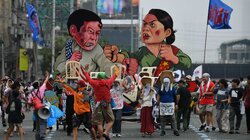
A spectacular falling out between the Philippines President Ferdinand Marcos Jr and his deputy Sara Duterte has unleashed a war between two of the country's most powerful political dynasties. The Marcos/Duterte feud has led to jaw dropping plot twists worthy of a political thriller with claims of drug addiction, corruption and the hiring of a hitman. The arrest of Sara's father, former president Rodrigo Duterte, for crimes against humanity, is also linked to the fallout with the President. On Foreign Correspondent Natashya Gutierrez reports on how this feud has escalated so dramatically. With the two clans at war she travels to the family fiefdoms in Ilocos Norte and Davao City to see how deeply rooted and damaging these political dynasties are to the country.
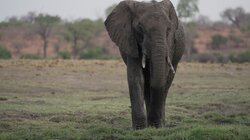
Botswana has more elephants than any other country on the planet. But what's been hailed as a great conservation success story has become a deadly problem. While they have turbo charged photo tourism, in some parts of the country there are two elephants for every human and stories of elephants causing havoc, destroying crops and even killing people is fuelling anger towards these majestic animals. On Foreign Correspondent reporter Stephanie March travels across the stunning Botswana landscape to see who is benefiting and who is paying the price for this conservation triumph.
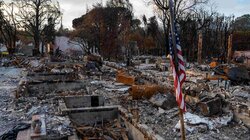
Australians know bushfires all too well. But no Australian city has experienced the scale of the urban wildfire that reduced large parts of LA to ash. More than 150 square kilometers of homes and bushland were destroyed in the worst fires in southern California's history, US correspondent Barbara Miller was dispatched to the fires as they took hold. Now, three months later, she reports on the aftermath and reconnects with the people she met while the flames burned. As fire experts predict the severity of the wildfires will only get worse, locals who have lost everything are weighing up whether they can risk going through it all again.
When a former Al Qaeda commander and his allies swept the brutal Assad regime from power with stunning speed, it caught the world by surprise. There was jubilation over the fall of the Syrian dictator, but huge questions about what comes next. Ongoing outbreaks of violence between those allied to the new government and groups still loyal to Assad have only added to the uncertainty. On Foreign Correspondent reporter Stephanie March travels to Syria on a journey that would have been unthinkable only a few short months ago. She sees first-hand the "new" Syria. With an economy in ruins largely due to imposed sanctions, she meets the people who are trying to recover from decades of Assad's cruel dictatorship as well as those who have the most to lose if actions of revenge and retribution are allowed to continue.
Australian tourists are visiting Japan in record numbers, with one million travelers expected to arrive this year. In Tokyo visitors are increasingly attracted by the nation's food – the city has become the number one destination for food lovers with more Michelin star restaurants than its nearest rival Paris. On Foreign Correspondent the ABC's north Asia correspondent James Oaten sets out to discover what's driving this foodie obsession. He meets a world expert on tuna, one of the country's best sushi chefs and a 96-year-old eel master to see first-hand what it takes to be the best. From the onigiri lunch shops to the world's best ramen restaurant James goes in search of the secret to Japan's culinary success.
After more than half a century of armed conflict in Colombia more than a hundred thousand people are still missing, presumed dead. Decades of violence between leftist guerillas and right-wing paramilitary groups left large parts of the country lawless. The brutality of the notorious drug cartels only made the violence worse. Now the Colombian government has made it it's mission to find the bodies of the missing. On Foreign Correspondent reporter Natashya Gutierrez embeds with the CSI squad determined to find closure for the loved ones left behind. She visits the dig sites where searches are underway and meets the criminal forensic team using new technology to build replica images from skeletal remains. Natashya also talks to a former paramilitary soldier, forcibly recruited as a teenager, who admits his involvement in assassinations and murders.

It's the world's largest island and one of the most remote places on earth. And now the most famous global property developer wants to buy it. The Danish territory of Greenland has become a sought-after piece of real estate and US President Donald Trump has declared that one way or another America is going to own it. On Foreign Correspondent the ABC's North America Correspondent Lauren Day travels to the icy territory to find out why it's become such hot property. It's strategic location and abundance of rare minerals is driving US interest, but Denmark is adamant Greenland is not for sale. While most Greenlanders ultimately want to be independent, they know they can't financially go it alone for now. But relations with their colonial ruler are far from ideal and some are wondering if this is the moment to strike a deal of their own.

A wellness revolution has captured the White House. Donald Trump's ex-wife Marla Maples reveals the inside story behind the Make America Healthy Again movement and the role she played in uniting Robert F Kennedy Jr and Trump.

On Russia's southern flank, the former Soviet republic of Georgia is fighting for its very existence as a democracy. Until recently it was a darling of the West, on a fast track to EU membership, but then something dramatically changed. The pro-EU government did an extraordinary U-turn. It stands accused of winning re-election in a disputed ballot, crushing civil society, jailing dissenters and passing a raft of draconian laws eerily similar to those on the books in Russia. So what is going on? Foreign Correspondent reporter Stephanie March travels to the nation wedged between Russia and Europe on the edge of the Black Sea to witness a democracy crumbling in real time. The atmosphere is tense with an ongoing crackdown and cyber surveillance. She meets protestors and opposition figures who believe Russia is pulling the strings, while senior government figures claim there's a dark western backed conspiracy designed to push Georgia into war with Russia.

On the Mexican border 10,000 troops have been deployed to stop the traffic of the deadly drug fentanyl. The show of force by Mexico follows the threat of crippling US tariffs, but can the crackdown stop the drug cartels?

On August 6, 1945, the atomic bomb was dropped for the first time in an act of war on the Japanese city of Hiroshima. It was one of the final and most famous acts of World War II following Japan's refusal to surrender in the face of overwhelming odds and enormous civilian casualties. Eighty years later only a few Japanese civilian survivors remain. On Foreign Correspondent North Asia correspondent James Oaten meets the people who still have clear memories of those final months of World War II. Some survived the firebombing of Tokyo which killed 100,000 civilians, others remember the US invasion of Okinawa where another 150,000 civilians perished. And some are the last living survivors of Hiroshima. These last survivors are angry Japan, even today, still refuses to accept responsibility for the needless harm it caused its own people by not surrendering sooner. They know their time is running out and they want their country to confront its past before it's too late.

Four years since the US withdrawal from Afghanistan, ABC's Foreign Correspondent looks at the lives of children living under Taliban rule.This is a generation whose entire lives have been upended and who are being forced to grow up quickly to survive. With rare access to the children of high-ranking Taliban members, this film captures the daily life of two boys who talk openly about their desire to be Mujahid fighters and who are already involved in standing guard for their fathers.By contrast the film also documents the much tougher lives of two girls who have both lost their fathers to war and who spend their days working to support their families. They are among the hundreds of thousands of children in the country who do this. The difference between the lives of the girls and boys in this film is stark but they have one thing in common: they still have a glimmer of hope that one day life for the children of Afghanistan will be brighter.
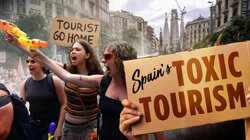
In Spain protests against mass tourism have erupted across the nation. Angry locals demand action to stop hordes of tourists from occupying their cities. Tourism is being blamed for a housing crisis that's forcing locals out.
This week on Foreign Correspondent, can you remake a country?One year ago, student protestors led an uprising in Bangladesh to overthrow a brutal dictator. Sheikh Hasina ruled for 15 years by murdering and jailing political rivals and ruthlessly cracking down on dissent. She fled the country after a violent crackdown on protesters where 1,400 people were killed. Now the student leaders have emerged as a new political force as Bangladesh prepares to hold its first free and fair elections in almost two decades.On Foreign Correspondent reporter Ellie Grounds travels to the capital Dhaka where election season has begun in earnest. She meets students who put everything on the line to overthrow Hasina and who are determined to remake Bangladesh from a dictatorship to a democracy. But their path won't be easy – established political parties who had effectively been sidelined during Hasina's reign are coming back strong. Conservative religious groups suppressed under the Hasina regime have also re-emerged, and are loudly protesting plans for progressive reforms, in particular changes that would give equal rights to women. The dream for the ‘new Bangladesh' is radical, but is it realistic?

Donald Trump's second term as president has taken off with breathtaking speed. Over several drama filled months he's pursued his agenda, implementing radical changes in foreign policy, immigration enforcement and the economy. He's left his opponents struggling to keep up. In the US around a hundred thousand Australians call America home and they're not immune to the new era of Trump rule. In the lead up to last year's Presidential election Foreign Correspondent spoke to a number of those Australians about their views on America's future. It was Foreign Correspondent's most watched story of the year. Given how momentous these first months have been, we've decided to find out how people are feeling now. Along with some we talked to last time, we've met others along the way to explore how they feel about living in Trump's America. From New York to Texas, from the sidelines of amateur AFL games to picnics in Philly and Aussie get togethers in Central Park to rodeo training grounds, everyone has a view.
Tuesday's Foreign Correspondent, a film by Channel News Asia, looks at the legacy of China's strict one-child policy and the unwanted girls given away to foster families.In regional provinces in China tens of thousands of women are looking for their families. They are the legacy of China's strict one-child policy aimed at controlling population growth. They were abandoned by their parents who wanted their only child to be a son. Many of these unwanted girls were given away to foster families. But their foster parents weren't acting out of kindness. Instead, they had a clear goal: one day the girls were to marry their sons.On Foreign Correspondent, a film by Channel News Asia captures the stories of these women who are now trying to reclaim their lives. Many have struggled due to lack of education and social stigma and have never adjusted to being married to their foster brothers. As they search for clues to their past, DNA programs are helping them reunite with their biological families.

Throughout the northern summer anti-immigration protests have taken place across the United Kingdom. But while angry crowds have scuffled with police outside hotels housing asylum seekers, the most shocking confrontations have occurred in Northern Ireland. It's the least diverse region of the UK and racial hate crime is at record levels. This week Foreign Correspondent reporter Barbara Miller travels to the town of Ballymena where some locals are waging a war on migrants, attacking their homes and cars and running them out of town. Ballymena is no stranger to violence. During the conflict between the Protestants and the Catholics known as the Troubles, Ballymena saw violent attacks on Catholic homes, schools and churches. Now attention has turned to the Roma community who have moved there in large numbers. In Ballymena there's speculation paramilitary groups active during the Troubles are behind the mob violence as hit lists of migrants' addresses circulate throughout the community.
For Gaza's one million children growing up isn't guaranteed. For almost two years more than 18,000 kids have been killed as Israel wages war to destroy Hamas. An intimate look at the toll the war is taking on Gaza's littlest.

In Iran's capital Tehran an uneasy calm has returned to the streets. For 12 days in June the world held its breath as Israel and Iran - two mortal enemies - traded blows. Israel's main targets were Iran's nuclear facilities, key Iranian military officials and nuclear scientists. The US joined in, dropping bunker bombs on Iran's underground nuclear facilities. On Foreign Correspondent reporter Jonathan Miller has been granted rare access to the Islamic Republic to find out whether Israel, the region and the world is any safer. He visits the places bombed by the Israelis and meets family members and neighbours of those killed in the attacks. The accuracy of Israel's targets inside Iran were evidence of what Iranian authorities called "unprecedented infiltration" by the Israelis. Now the regime is relentlessly hunting for spies with trials and executions being fast tracked. The Foreign Ministry spokesman tells Jonathan the executions are justifiable because "no nation allows betrayal." Jonathan also travels to Israel where a former senior Mossad chief explains how Israel's intelligence operates on the ground in Iran. It's not deep cover agents, he says, but "expendable" people who are willing to work for money. What becomes clear as Jonathan travels between the two nations is that no-one believes this war is over.
Complete episode guide for Foreign Correspondent with detailed information about every season and episode including air dates, summaries, ratings, and streaming availability in United States.
This episode guide is organized by seasons, making it easy to track your viewing progress or find specific episodes. Use the episode information to plan your binge-watching sessions or catch up on missed episodes.