
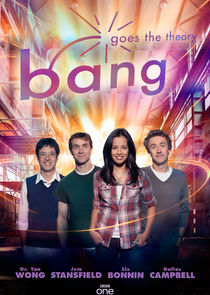
Investigating the science behind the headlines and making sense of the issues that matter.
Jem Stansfield builds a vortex cannon, and Dallas Campbell takes on the technology that will track every one of us simply by the way we walk.
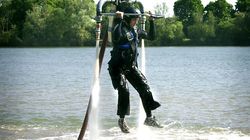
Jem Stansfield puts his life in his hands by tying himself to a water jet pack, while Liz Bonnin finds out if insects are the future of food.

Dallas Campbell traces the journey of 30,000 plastic ducks, while Liz Bonnin goes on manoeuvres in the Royal Navy's new search and rescue sub.
Liz Bonnin investigates recent research into the magnetic qualities of cows, while Dallas Campbell puts psychological priming to the test.
Jem Stansfield attempts to defeat the US Navy's latest weapon with no more than some foam and a crash helmet, while zoologist Liz Bonnin gets in contact with her frog brain.
Jem Stansfield takes to the air with the Royal Navy to explain how helicopters work, while Liz Bonnin tests brain-training devices.
Jem Stansfield tests new braking systems, Liz Bonnin looks into the origins of speech and Dallas takes part in a sea race with Dame Ellen MacArthur.
Jem Stansfield builds a microwave death ray, Liz Bonnin takes on the nature versus nurture debate with monkeys, and Dr Yan Wong uses office chairs to explain how gyroscopes work.

Jem Stansfield puts spider silk to the test, Liz Bonnin joins the RAF's flight school, Dr Yan Wong experiments with sodium acetate and Dallas Campbell reveals the science of magic.
Jem Stansfield decides to build a rocket powered by toffee and then thinks it would be a good idea to ride it.
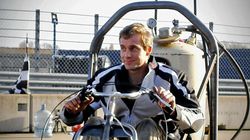
Jem tries to smash a land speed record with a fire extinguisher, a go kart and a well-oiled spanner.

Engineer Jem becomes a crash test dummy to discover how much g-force his body can take.
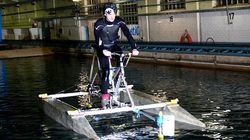
Dallas takes on lie detection technology and Liz looks at the dilemma that threatened to undermine Darwin.
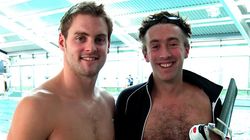
Jem hits the furnace to make steel, while Liz investigates whether science can help humans live forever.

The team look at the science behind the volcanic ash crisis that has grounded Europe's planes, and Jem Stansfield finds out why steam is still powering the country.
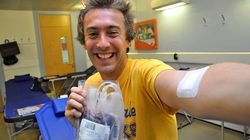
Dallas hits the streets to find what makes people happy, and Liz travels to Norway to investigate the latest technology combatting climate change.

Jem straps a race horse to his car to explain what horsepower is, while Liz sets Dallas a free diving challenge that leaves him gasping for air.

Liz launches a huge experiment into the nation's sense of smell, and Dallas investigates evidence that the origins of life on earth might have begun in space.
Bang Goes the Theory returns to put more science to the test. In this episode, the team investigate the recent Gulf of Mexico oil disaster, and Liz Bonnin travels to Louisiana.

Liz Bonnin looks at the science behind sunburn, while Dallas Campbell tries to make museum visitors younger and smarter.
Liz conducts an experiment into jetlag, while Dallas demonstrates the size of the solar system using a bicycle and a fruit bowl.
Dallas looks at the origins of weather and explains how the emergence of seasons allowed life to form, with the help of a grenade launcher.
Liz visits the volcano that brought Britain to a standstill, while Dallas visits Vegas to explain why people are bad at predicting probabilities.
Jem is challenged to build a boat made out of ice, and take it and the rest of the team for a spin in one of the UK's busiest stretches of water.
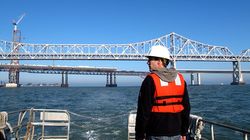
The team looks at the science behind the recent Japanese earthquake and the tsunami it triggered. Plus the technology that attempts to protect us from the power of our planet.

The team take on more scientific challenges. Liz looks at the new IVF research that may increase success rates, and Jem tries to go 360 degrees on a playground swing.
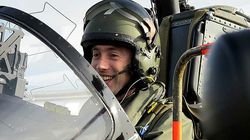
The team take on more scientific challenges. Dallas goes supersonic and meets the team behind a 1000mph car, Jem tests some homemade glues and Dr Yan puzzles commuters.
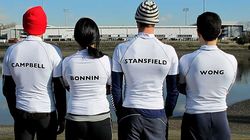
Jem demonstrates what a calorie is, Dr Yan tests the ability of MPs to calculate risk, and Liz investigates whether we are running out of antibiotics and what will happen if we do.
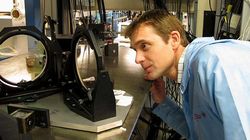
On the 50th anniversary of the invention of the laser, Jem Stansfield explains how they work and builds himself one. Dallas Campbell looks at the rise of Citizen Science.
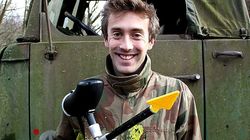
Liz looks at the controversial science of genetically modified crops in Hawaii, while Dallas tries to remedy Jem's dust allergy by making him eat worms.

The science series takes on a royal wedding theme. Jem builds a singing road as a present for the royal couple, while Dr Yan explains the science of dad dancing.
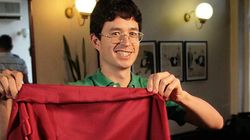
The team put science to the test. Jem visits a mega-plant in Sussex to investigate the future of recycling, while Dallas explains how GPS works and how it is changing our world.
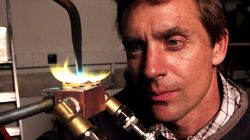
Jem makes his own diamond and then proves they aren't forever. Dr Yan explains the science of popcorn, and Dallas investigates why we haven't cured cancer yet, meeting the team that hope to change that.
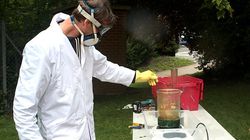
In the second episode of the science series, Liz hits the beach with the RNLI to experience the power of rip currents; Dr Yan attempts to demonstrate evolution by drawing a couple of lines; and Jem is back in the workshop, turning everyday scrap into gold.
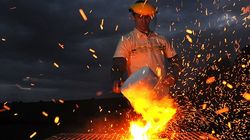
Jem witnesses the awesome power of rockets with the Bloodhound land speed record project, Yan re-enacts an Ancient Greek experiment to measure the earth's circumference with a couple of sticks, and Dallas goes in search of a robot to call his own.

The team puts more science to the test, including new stem-cell research and the Nocebo effect (placebo's evil twin). And Dallas Campbell goes to a memory boot camp.

Liz investigates an increasingly common and unwelcome guest - the bedbug. Meanwhile, Yan explains why statistics are not to be trusted, and Dallas goes stargazing in California.
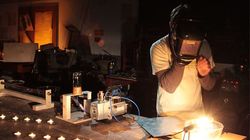
Dallas downs his toothbrush to discover what causes tooth decay and gum disease, Yan explains why refreezing food is not a great idea, and Jem investigates new research that electric lights can play havoc with the way we sleep.
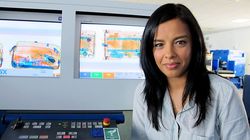
Dallas investigates a potential global helium shortage, Dr Yan tests shoppers on how much they know about radiation, and Liz tries out the new airport security technology that can see beneath your clothes.
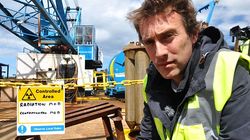
The team examines nuclear power. Jem Stansfield climbs into a reaction chamber to show how a nuclear power station works and looks at the Fukushima radiation scare.

The team investigates why petrol costs so much, and whether we can use science to make fuel for free. Plus, Liz experiences life on an oil rig.

The team asks whether modern life is damaging our ears. Dallas explores how safety-conscious scientists are putting the noise back into driving.
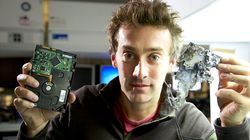
Liz asks how safe digital storage formats such as DVDs are, and looks at the Cloud. Maggie Philbin revisits phone security.

The team looks at the science of crowds, discovering how architects control the flow of crowds and how people in them can co-operate subconsciously.

The team reveals how life surrounded by wireless signals affects us. Howard Stableford looks at the health risks, and Jem explores electricity without wires.

Jem dreams of flying under his own power by pedalling a homemade plane into the air. He explores why muscles get tired, and if he can boost his with beetroot.

The team looks at some of the biggest travel nightmares. Liz investigates what causes traffic jams, whether lane switching works, and how to beat travel sickness. Meanwhile Jem heads for his workshop to build his own solution to traffic jams: a home-made, man-powered aeroplane.

The team sets out to discover what is behind our special bond with dogs. Liz visits researchers comparing dogs to wolves to see how domestication has shaped them.
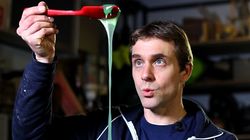
Bang Goes the Theory is back, with the first of eight episodes bringing you the science behind the headlines, and looking at the issues that have a real impact on all our lives.
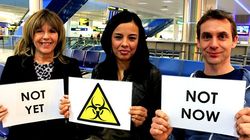
In response to recent fears about the future of antibiotics, the team investigates germs and infection.

The team put sugar on trial, investigating whether it deserves its bad reputation. Plus Jem sets out to make some pure, white, granulated sugar of his own.
The team look at things that may threaten the safety of your family on a daily basis and Liz finds out why old and young pedestrians may never be safe.

Following the horsemeat scandal, the team ask how much we really know about what's on our dinner plate, and investigate the world of food technology.
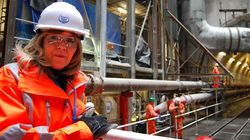
With the population of the UK topping 63 million, what are scientists and engineers doing to reduce the strain on our ageing infrastructure? The team investigate.
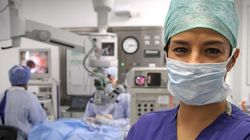
The team explore the new era of personal medicine, as Maggie Philbin looks at the rise of online diagnosis tools and puts them to the test against a real doctor.

The team investigate what air pollution is, where it comes from, and what it is doing to us. Jem Stansfield reveals that cleaner-looking air does not mean healthier air.

Jem Stansfield, Liz Bonnin and Maggie Philbin investigate how close Britain might get to running out of electricity.
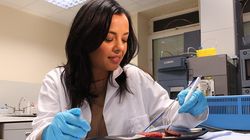
Liz Bonnin explains how cells turn cancerous by blowing high-tech bubbles, and Jem Stansfield builds a radiotherapy gun.
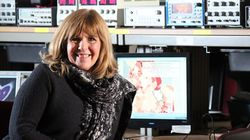
Liz Bonnin sees how big data monitors Rolls Royce jet engines, and Jem Stansfield creates a low-tech computer system.

The team investigate the ill effects of old age. Maggie Philbin looks at how our muscles change as we get older, and Liz Bonnin explains how bones are made.
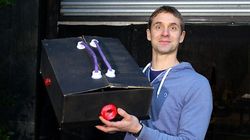
The team look at flu and its different strains. Jem Stansfield explains the disease on a cellular level, while Liz Bonnin witnesses the manufacture of vaccines.

Did global warming play a part in the recent floods, or is it the extreme end of the natural cycle? Maggie Philbin investigates the threat of storm surge.

The team look at the many measures engineers are taking to ensure Britain's ageing rail system stays on track.

Maggie Philbin looks at the problems the humanitarian community faces when tackling a disaster.
Complete episode guide for Bang Goes the Theory with detailed information about every season and episode including air dates, summaries, ratings, and streaming availability in United States.
This episode guide is organized by seasons, making it easy to track your viewing progress or find specific episodes. Use the episode information to plan your binge-watching sessions or catch up on missed episodes.