Overview
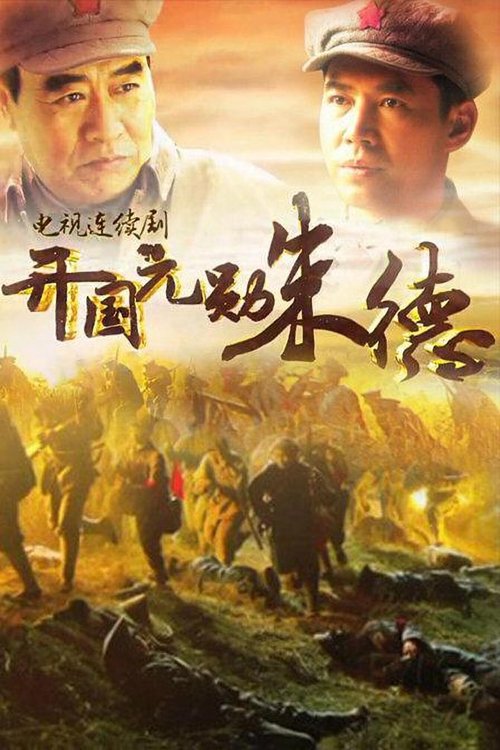
Zhu De was born into a poor peasant family. He participated in the Yunnan Uprising led by Cai E and became a famous general of the Yunnan Army. Later, due to the internal struggle of the Yunnan Army, Zhu De went to Europe to study, met Zhou Enlai and joined the Communist Party of China. After returning to China, he participated in the August 1st Nanchang Uprising. When going south, Zhu De took command of the advance army. After the failure of the main attack on Chaoshan, the troops led by Zhu De became a preserved revolutionary fire. After joining forces in Jinggangshan, Zhu Mao's Red Army became famous all over the world and established a central revolutionary base in Ruijin, smashing the Kuomintang's four counter-campaigns against "encirclement and suppression". During the fifth counter-campaign against "encirclement and suppression", the central revolutionary base area was lost and the Red Army had to carry out a long march. During the Long March, Zhu De crossed snowy mountains and grasslands three times in order to win over the Fourth Front Army, and finally led the Second and Fourth Front Army to northern Shaanxi. After the outbreak of the Anti-Japanese War, Zhu De served as commander-in-chief of the Eighth Route Army and led famous battles such as the Pingxingguan Victory and the Hundred Regiments Campaign. During the War of Liberation, he and Mao Zedong commanded three major battles and the Battle of Crossing the Yangtze River. After the founding of New China, Zhu De worked diligently for the people, was diligent and frugal, had a democratic style, and sought truth from facts.
No streaming information available for this title in United States.
Try selecting a different country or check back later for updates.
No subscription streaming options found in United States.
Zhu De was born into a poor peasant family. He participated in the Yunnan Uprising led by Cai E and became a famous general of the Yunnan Army. Later, due to the internal struggle of the Yunnan Army, Zhu De went to Europe to study, met Zhou Enlai and joined the Communist Party of China. After returning to China, he participated in the August 1st Nanchang Uprising. When going south, Zhu De took command of the advance army. After the failure of the main attack on Chaoshan, the troops led by Zhu De became a preserved revolutionary fire. After joining forces in Jinggangshan, Zhu Mao's Red Army became famous all over the world and established a central revolutionary base in Ruijin, smashing the Kuomintang's four counter-campaigns against "encirclement and suppression". During the fifth counter-campaign against "encirclement and suppression", the central revolutionary base area was lost and the Red Army had to carry out a long march. During the Long March, Zhu De crossed snowy mountains and grasslands three times in order to win over the Fourth Front Army, and finally led the Second and Fourth Front Army to northern Shaanxi. After the outbreak of the Anti-Japanese War, Zhu De served as commander-in-chief of the Eighth Route Army and led famous battles such as the Pingxingguan Victory and the Hundred Regiments Campaign. During the War of Liberation, he and Mao Zedong commanded three major battles and the Battle of Crossing the Yangtze River. After the founding of New China, Zhu De worked diligently for the people, was diligent and frugal, had a democratic style, and sought truth from facts.
You can watch 开国元勋朱德 in United States through the following streaming services: .
You can watch 开国元勋朱德 in United States through the following streaming services: .
Popular movies currently available in your region. Updated daily.